When most homeowners think of a roof, they think of shingles, it’s color, style, and possibly warranty.
But after decades of working on homes in Maryland, Topper knows the style of your roof is just as important as the material on your roof.
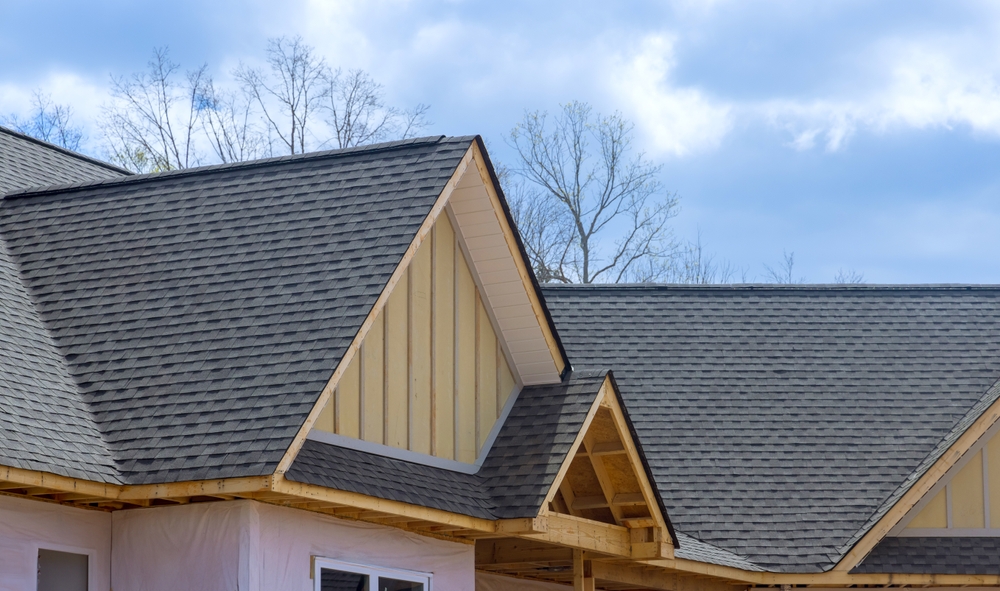
The roof’s slopes, valleys, ridgeline, and overhangs, all these factors and others, determine how your roof performs with regard to rain, snow, wind, humidity, and changes in the type of weather we have here, year in and year out. A roof performs very well when it is well designed and silently serves your home for decades to come, while a roof that is not well designed will have trouble long before it is supposed to.
Let’s break down why design and pitch are so important in Maryland’s environment.
Roof Pitch: The First Line of Defense Against Water
Roof pitch (or slope) refers to how steep your roof is. This may not appear to be particularly important, but it’s extremely significant in Maryland homes.
We get heavy rainstorms in spring and summer. We get snow and ice in winter. We get humidity that lasts. Our roofs experienced it all.
A steeper roof means a rapid runoff of both water and melting snow. A steeper roof also minimizes the risk of pooling water, the formation of ice dams, and moisture damage.
Lower-pitched roofs, on the other hand, drain slowly. That doesn’t automatically mean they’re bad, but they require different materials, proper underlayment, and careful installation. If not handled correctly, low-slope sections are far more vulnerable to leaks and premature wear.
We have seen homes where the quality of the shingle was good, but the slope wasn’t adequate for what was installed. Over time, that mismatch leads to issues.
What truly protects your home in the long run is the right pitch with the right system.
Roof Valleys: Where Most Leaks Originate
If there’s one spot we examine extensively on a roof, it’s the valleys. A roof valley is where two roof sections meet and form a channel. It’s normally designed to direct water away from the roof and down into the gutters. Because of that, valleys are expected to carry large amounts of water during the rainy season.
Downpours, however, increase this amount fast in Maryland roofs. If these valleys are not flashed, sealed, and installed, they become one of the most common leak areas in a home. Add snow and ice from a winter storm into the equation, and then things will become even worse.
Closed valleys, open metal valleys, and woven valleys; each design has pros and cons. The right choice depends on the type of roof style, pitch, and the surrounding layout.
However, precision is what matters most. Any shortcuts taken during installation in a valley can cause years of slow damage to your attic.
Snow Load and Ice: Why Slope Plays a Role in Winters
Winters in Maryland are not constant, but on those days that snow does come, it often comes heavy. Flatter roofs tend to hold snow longer.
The weight of accumulated snow, known as snow load, adds stress to the structure. When temperatures fluctuate (which they often do here), snow melts during the day and refreezes at night. That freeze-thaw cycle can lead to ice dams along eaves if insulation and ventilation are not in balance.
Steeper roofs shed snow more naturally. That reduces the duration of snow load and limits ice buildup. However, steeper slopes also require proper fastening systems to keep shingles stay secure during wind events.
Roof design is always a balance. The goal is to control the drainage and structural stability through all seasons.
Wind Resistance and Roof Shape
While Maryland experiences a number of high winds, it is due to coastal storms and the remnants of hurricanes.
The shape of the roof plays an important role in how it responds to wind.
For example:
- Simple gable roofs are common and inexpensive; however, they can often be weak without adequate bracing.
- Hip roofs, which slope on all four sides, often perform better in high-wind conditions because they distribute pressure more evenly.
- Complex rooflines with multiple peaks and valleys may be aesthetically pleasing, but they actually have more edges and seams, which means there are more areas to be sealed and reinforced.
There is such a thing as too much complexity. Too many angles mean too many additional places for stress to occur if they’re not correctly installed.
We’ve worked on many roofs that look good, but we realized that they require additional work just because of the transitions.
Drainage, Gutters, and Overhangs
Roof performance isn’t just about what happens on top, it’s also about where water goes next.
Proper overhangs can help throw water away from siding and foundations. Gutters need to be placed appropriately according to slope and valley placement.
Poor drainage may be the cause of the following in Maryland’s heavy rainstorms:
- Fascia and soffit rot
- Foundation problems
- Siding deterioration
- Basement moisture problems
A well-designed roof system effectively moves water efficiently from peak to gutter to downspout and safely away from your home.
When any part of that chain is disrupted, long-term damage becomes more likely.
Long-Term Durability Isn’t an Accident
Some roofs seem to last 30 years without any problem, while others struggle halfway through year 15.
The difference, of course, isn’t always the shingles. It’s often the design, pitch, ventilation, and installation quality working together.
Maryland’s climate is challenging. We experience humidity, summer heat, winter freeze cycles, strong storms, and everything in between. A roof has to be built with these factors in mind.
That means:
- Matching the materials to the pitch
- Reinforcing valleys and flashing
- Ensuring proper ventilation to avoid moisture buildup
- Designing drainage systems that can handle heavy rainfall
If all these factors are well planned from the start, you will enjoy a better and longer-lasting roof.
Thinking About a New Roof or Redesign?
If you’re building, replacing, or even just evaluating your current roof, it’s worth asking a few questions:
- Is my roof pitch suitable for the materials used?
- Are my valleys reinforced for Maryland’s rain and snow?
- Will my roof design help or complicate long-term maintenance?
- Is my ventilation balanced in respect to preventing ice dams and moisture buildup?
These aren’t superficial questions. They’re fundamental ones.
At Topper Roofing, we’re not just looking at shingles; we’re looking at the entire system and how it will function in Maryland weather. Long-term performance isn’t just one storm; long-term performance is decades of storms in a row.
Contact us if you would like a professional evaluation of your roof’s design as well as its overall condition. We’re here to help, because your roof should do more than look good. It should quietly protect your home year after year.