
Freeze-thaw cycles in Maryland can quietly damage your roof over time. When temperatures fluctuate between above and below freezing, often within the same day, snow and ice melt, allowing moisture to penetrate into small openings between shingles and flashing. When the temperature drops again at night, the moisture inside these openings freezes and expands.
Most homeowners are never aware of this occurring. By the end of winter, these small issues turn into bigger problems, especially during spring rains.
Understanding the effects of freeze-thaw cycles on your roof can help you recognize signs of damage before they become major issues and require an emergency call to Topper, your local roofing company.
What Is a Freeze-Thaw Cycle?
A freeze-thaw cycle occurs when water seeps into small openings in roofing materials and then freezes and melts as temperatures fluctuate. When water freezes, it expands and presses against roofing materials such as shingles and flashing.
As water melts, it contracts a little. When this process is repeated many times throughout a winter, it can slowly damage a roof.
In Maryland, where winter temperatures often move above and below freezing, this cycle can happen many times in a season.
How Freeze-Thaw Cycles Affect Shingles
Shingles are designed to prevent moisture from entering your roof, but they can still be damaged when water gets beneath them.
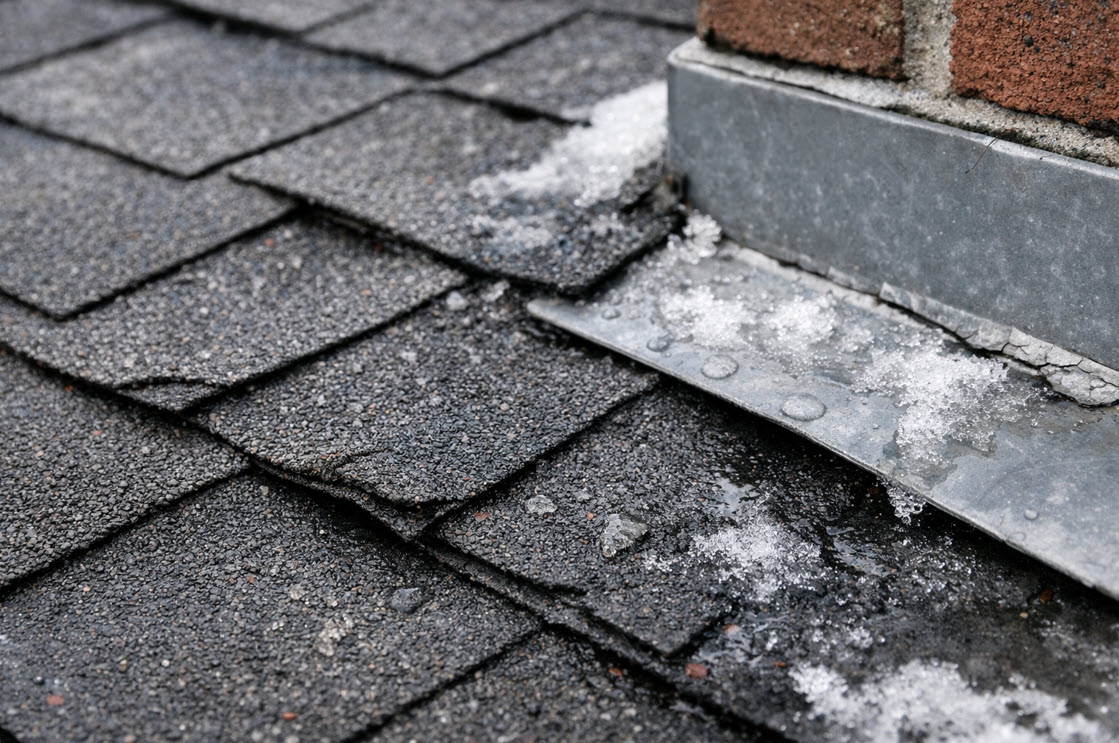
As trapped moisture freezes and expands, it can create small fractures in the shingle surface. Over time, these fractures can lead to:
- Cracked and brittle shingles
- Shingle curling and edges lifting
- Loss of granules
- Increased exposure to moisture
Any damage to the shingle may put the roof at risk should spring rains come.
Why Flashing Is Especially Vulnerable
Flashing is used to cover areas of your roof that are most vulnerable. These areas include where the roof meets a chimney, skylight, vent, or roof valleys.
Because flashing is metal, it expands and contracts as temperatures change. Eventually, it may come loose or the sealants holding it in place may crack due to freezing and thawing.
Once this happens, water is able to penetrate under all of the roofing materials and into the roof deck through openings that may be difficult to see from the ground level, making flashing vulnerabilities often hidden leaks.
When Small Cracks Turn Into Roof Leaks
Freeze-thaw damage does not usually happen overnight. It occurs gradually over the winter season.
A small crack in the shingle or a slightly raised edge of the flashing may not seem like much, but if water freezes repeatedly in the small space, the water will cause the roofing materials to pull apart slightly each time.
Eventually, water can start to flow under the roofing materials. When water enters the space beneath the roofing materials, leaks can begin to appear inside the home.
In many cases, homeowners will not know anything has gone wrong until they notice water stains on the ceiling or walls.
Warning Signs Homeowners Often Miss
Since freeze-thaw damage is a process that occurs over time, it is not uncommon for homeowners to miss the first signs of damage.
Some of the first signs of freeze-thaw damage include:
- Slightly curled up shingles
- Presence of granules in gutters
- Loose flashing around chimneys and vents
- Small stains appearing on ceilings after snowmelt
- Recurring icicles hanging from roof edges
These signs may appear minor, but they could be a sign of moisture seeping into places where it shouldn’t.
Why Early Spring Roof Inspections Matter
Early spring is one of the best times for a roof inspection. After months of winter weather, freeze-thaw damage that developed during the season is more likely to appear.
Some roof problems that may be identified during a roof inspection include:
- Damaged and cracked roof shingles
- Loose and failing flashing
- Moisture penetration into the roof
- Early roof wear and tear that may require repair
Addressing these issues early can prevent more extensive repairs later in the year.
The Role of Ice and Water Protection
There are some roofing systems that have special protection layers designed to help prevent moisture intrusion in critical areas.
Ice and water barriers are installed under the shingles in areas where there is a greater chance of ice or snow melting, such as along the edges of the roof or in the valleys. This helps prevent water from reaching the roof deck if moisture gets beneath the shingles.
This additional protection can be very beneficial in areas where there are freeze-thaw conditions.
Protecting Your Roof with Preventative Maintenance
While freeze-thaw cycles are a natural occurrence in Maryland winters, there are steps you can take to minimize the risk of damage to your roof.
Here are some steps you can take to protect your roof:
- Seasonal roof inspections
- Making repairs to damaged roofing shingles
- Clearing gutters to allow melting snow to drain
- Checking flashing around vents, chimneys, and skylights
Taking care of small issues early can help extend the life of your roof and prevent leaks from occurring later.
Schedule a Roof Inspection Before Spring Rains Begin
Freeze-thaw damage can begin as a minor issue, often going unnoticed until it becomes a bigger concern. A roof inspection can help to catch damage early, giving you a clear idea of the state of your roof.
Topper Roofing provides expert roof inspections, roof repair, and preventative maintenance to help Maryland homeowners protect their homes year-round.
If your roof has made it through the entire winter, now is the time to schedule an inspection and make sure everything is ready for the seasons ahead.