During summer, humidity levels are relatively high and contribute to increased moisture retention in the air. For homeowners, the summer season may mean enjoying coolness indoors, but for roofs, sidings, and gutters, the opposite occurs since they are exposed continuously to humid air, heat, and summer storms.
Summer humidity levels in Maryland result in a conducive environment that favors extended moisture exposure to external house structures. As such, roof deterioration is likely to be accelerated by prolonged summer weather coupled with heavy afternoon rains.
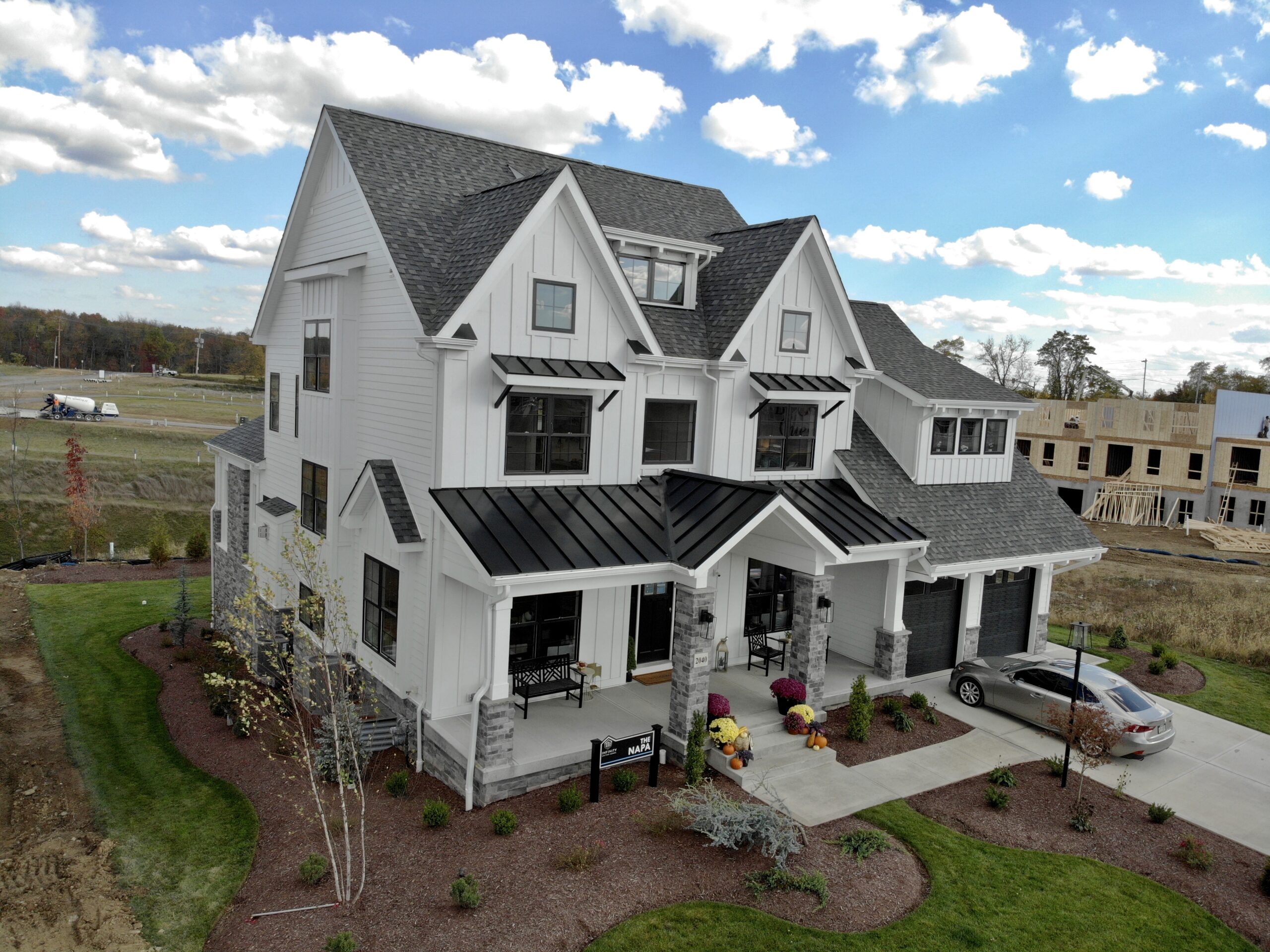
As trusted roofers in Maryland, we often see how summer humidity affects homes long before the problem becomes obvious to homeowners. In many cases, roof staining, siding damage, clogged gutters, and hidden moisture problems can all be traced back to prolonged humidity exposure.
Why Maryland Summers Are Tough on Exterior Systems
Maryland weather offers an unusual combination of high temperatures, moisture, and temperature fluctuation over the summer months. Roofs in the area become very warm during the daytime, and high humidity allows the exterior parts to retain moisture well after the rain stops.
This repeated cycle of heat and moisture puts constant stress on exterior systems throughout the summer. High temperatures cause materials to expand, while humidity allows moisture to settle into surfaces and gradually weaken protective barriers.
Homes surrounded by trees or heavy shade often retain moisture longer than homes exposed to direct sunlight Thus, gutters remain wet longer, siding dries slower, and roof material is more prone to developing algae and damage.
How Humidity Affects Your Roof
Your roof experiences direct exposure to both sunlight and humid air during the summer season. However, even if your shingles seem to be in good condition from the ground level, humidity will eventually affect your roofing system beneath.
One of the most common issues we see during Maryland summers is moisture becoming trapped beneath roofing materials. This occurs when ventilation is limited or attic airflow is insufficient; heat and humidity build up beneath the roof deck. Over time, this excess moisture can lead to rot, mold formation, and deterioration of the roofing elements.
High humidity can also encourage algae formation on your shingles. It is known that algae tend to form on roofs where there is shade or more moisture retained after a storm. Even if algae at first seems to be purely aesthetic, excessive humidity will eventually affect your roof’s longevity.
Summer heat itself also plays a role. Roof surfaces can reach temperatures far higher than the surrounding air, causing shingles to expand, soften, and degrade. Combined with trapped humidity, this can increase wear across the entire roofing system.
Homeowners sometimes assume roof damage only happens during severe storms or winter weather, but Maryland summers can create gradual conditions that weaken roofs month after month.
The Impact of Humidity on Siding
Siding comes into contact with moisture regularly, but the humidity of summer may cause more wear, depending on both the type of siding and the overall condition of the exterior.
With moisture sitting on siding, there is the potential for the growth of mold, mildew, and algae that stain and damage the siding over time. We often notice these stains developing first in shaded areas or places with poor airflow.
Humidity can also affect siding differently depending on the material. Wood siding is subject to excessive moisture absorption, which causes it to warp, swell, and soften. Vinyl siding can also expand during periods of extreme heat and sun exposure.
Even small holes in the siding will be more problematic with summer moisture. Moisture will slowly seep behind the siding panels and cause water damage in a place that homeowners cannot easily see or recognize inside their homes.
Homeowners do not know just how much moisture their siding collects each summer until they start noticing problems developing.
Why Gutters Struggle During Humid Summers
The combination of warm, humid air conditions creates the perfect environment where leaves, branches, and other debris become wet for prolonged amounts of time. The presence of wet leaves, branches, and other organic materials within gutters can result in corrosion, drooping, and general gutter degradation.
Humidity also encourages mold and mildew growth within the gutters or alongside nearby fascia boards. Clogged or improperly functioning gutters with excess moisture will place additional strain on the gutter system.
Summer storms in Maryland will exacerbate any underlying gutter issues during the storm itself. Any overflow of the gutters can lead to moisture getting close to the foundation, onto siding, or into landscaping areas surrounding your home.
Gutters and roofs function together in protecting your house from moisture damage, yet many homeowners pay attention to one without considering the other.
Signs Summer Humidity May Already Be Affecting Your Home
Damage due to humidity on the outside generally builds up over time. Some indications that people need to look out for include:
- Dark streaks appearing on shingles
- Constant presence of mildew or algae on the sidings
- Paint peeling off around exterior trim or soffits
- Siding warping or becoming soft
- Gutters detaching from the house
- Overflowing gutters during rainfall
- Water marks around the attic and roof areas
- Unpleasant odors emanating from upper floors
These may seem like small problems initially, but they usually point to long-term exposure to moisture within the exterior structure.
Why Moisture Problems Should Not Be Ignored
One of the most difficult things about moisture damage is that it gradually increases over time. Moisture that starts out as simply being present in the guttering system or under the shingles can ultimately work its way into structural materials or even the insides of the building.
In many instances, problems such as wood rot or leakage will have progressed to the point that the owner becomes aware of them.
Periodic inspections during the summer and post-summer seasons allow for early detection of humidity problems.
The exterior components work together to protect the building, which means that it makes no sense to think of one independently from the others.
Protecting Your Home This Summer
High levels of humidity can be very stressful on roofs, siding, and gutters of homes in Maryland. Though some of the changes might take place gradually, the overall result of the prolonged accumulation of moisture will reduce the lifespan of exterior surfaces and cause the need for expensive repair jobs.
Recognizing early warning signs and maintaining exterior systems before problems worsen can go a long way towards ensuring home safety and proper functioning of exterior surfaces in humid Maryland summers.
Homeowners looking for a reliable roofing company in Maryland can explore additional information through the Topper Roofing website or contact us directly to learn more about protecting exterior systems during humid summer months.