Winter has a knack of making small roof issues become big ones.
A loose shingle, a small crack in the flashing, or an area you were going to “keep an eye on” can be very different once the temperatures turn cold. Cold air, snow, and ice don’t just sit on top of your roof; they seep into every nook and cranny.
We want you to understand how winter weather conditions can impact a roof that may be under stress so you can have the opportunity to make decisions before small problems become costly repairs, resulting in an unexpected call to a roofing company.
Cold Temperatures Make Small Problems Bigger
When temperature changes, roofing materials tend to expand and contract. With time, this process can cause fasteners to come loose, increase the size of cracks, and put pressure on roof seals around vents and chimneys.
Roofs that were already starting to age or had been slightly damaged in the fall may become brittle in the cold weather, making them more susceptible to cracking or breaking apart completely. When a roof shingle breaks apart, a small gap can allow water to seep underneath the roof, where it is much harder to spot.
This kind of seasonal stress is one of the reasons why roof maintenance is so important before and during winter, according to GAF.
It’s Not the Snow That’s the Problem, It’s What Happens When It Melts
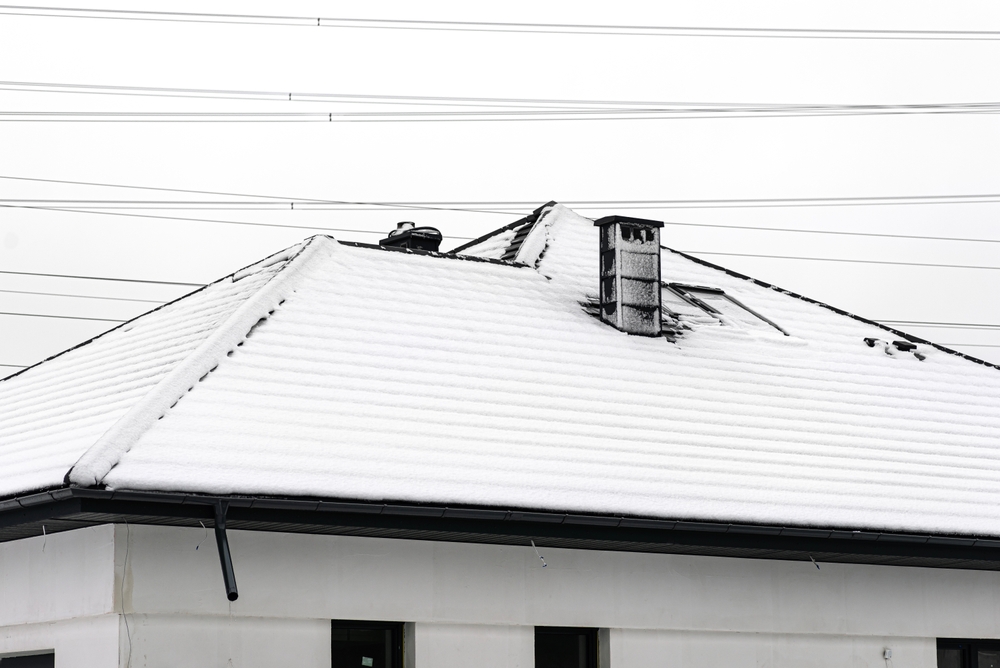
Snow by itself is not necessarily damaging, but the freeze/thaw cycle that follows can be.
As the snow melts during the day and then refreezes at night, the water can find its way under the shingles and into the seams. This can cause the shingles to be lifted, the underlayment to deteriorate, and a pathway for water to enter the house. Eventually, this can cause leaks, damage to the insulation, and even stains on the ceiling.
The cyclical effects of freeze and thaw, which can contribute to the deterioration of roofing systems, particularly where existing weaknesses are already in place, is how seasonal weather conditions affect a home.
Ice Dams Put Pressure Where Roofs Are Weakest
Ice dams are a common winter issue, particularly for roofs with uneven insulation and ventilation.
As the heat escapes through the roof, it melts the snow around the ridge. The melted water then refreezes at the colder edges, forming a dam that holds melted water behind it. The water has no place to go but under the shingles and into the roof structure.
Common winter roofing issues, such as ice dams, can be particularly damaging if the flashing, shingles, or underlayment are already damaged, even slightly.
Winter Storms Don’t Always Leave Obvious Clues
Not all roof damage is immediately apparent.
Strong winds, heavy snowfall, and freezing rain can cause roofing materials to become loose or damaged without leaving any signs of damage from the ground. A roof can appear to be in good condition until warmer weather exposes leaks, mold, or damage that occurred throughout the winter months.
Sometimes the damage may not be visible right away, especially when it is hidden until it causes problems.
Why Waiting Can Cost More Than Acting
Leaving roof repairs until winter may seem like the best option, but it could end up being the costly decision.
Leaks of water that begin in a small way can quickly spread into insulation, decking, and framing. What may have been a relatively simple repair job at the start of the season can quickly become a restoration project come spring.
Not all winter repairs necessarily mean roof replacement. In fact, many winter roof repairs can help extend the life of the roof until the right conditions are met for major repairs.
Knowing When to Have Your Roof Checked
If your roof is a bit older, has a repair history, or was already exhibiting signs of wear before the winter season, it may be worth keeping a closer eye on it during the winter months.
Changes inside your home, like new drafts, moisture spots, or unexplained temperature differences, can sometimes point to roof issues that worsened during winter weather. Even if there are no apparent problems, it is possible to detect potential weaknesses through a professional assessment.
Homeowners looking for guidance and seasonal roofing insights can explore resources available through Topper Roofing, where practical information is shared to help protect homes year-round.
Protecting Your Roof Through the Winter Season
Winter does not necessarily mean roofing issues, but it certainly requires awareness.
By understanding the dynamics of cold, snow, and ice in relation to existing roof damage, homeowners can make informed decisions rather than reactive decisions. This can help you maintain the integrity of your roof and avoid unexpected repairs when winter is over.
If you are not sure what to do next, we at Topper Roofing can assist you in making an informed decision. Our staff can assist you in determining whether you need an inspection, a repair, or simply monitoring until future roofing plans can be made. Do not delay, contact us today.