
Maryland winters have a knack for keeping homeowners on their toes. This year, we have seen a winter storm that brought a lot of heavy snow, ice/sleet, and extreme temperature drops, which many homeowners aren’t accustomed to. One day it’s warm, and the next day we’re facing snow, ice, and temperature drops. January 2026 was been a great example of that. This is also why ice dams have become a more frequent issue for roofing in Maryland.
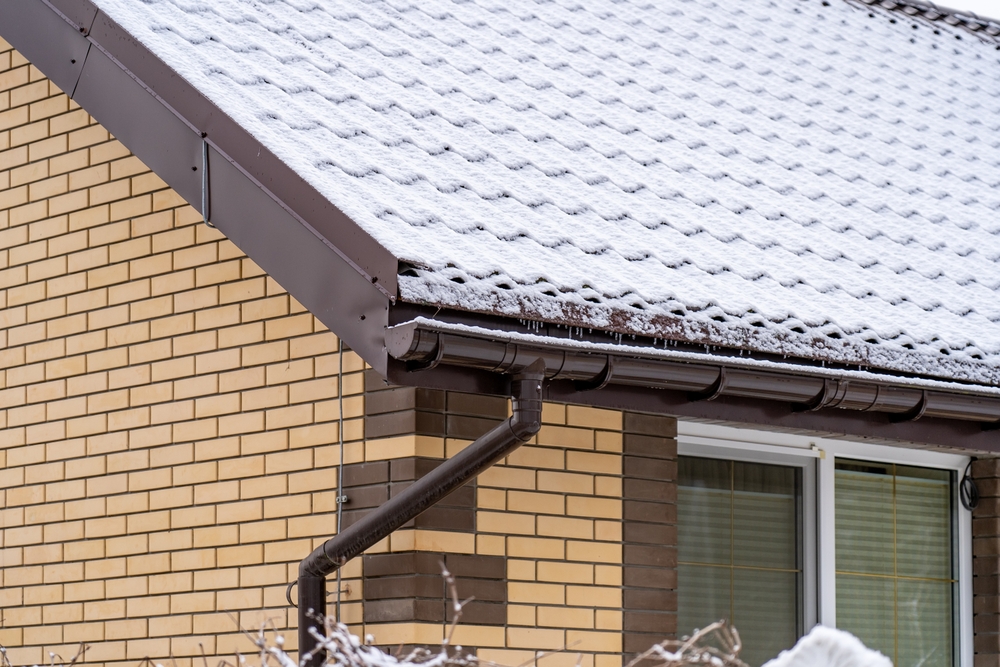
Ice dams aren’t something homeowners think about until water appears where it shouldn’t. Knowing what they are and what actually works to prevent them can save a lot of headaches and costly repairs.
What Is an Ice Dam?
An ice dam is what forms when the snow on your roof melts and then refreezes near the edges of the roof. The melted snow flows down the roof, reaches a spot where it is colder near the eaves, and then re-freezes into ice. This ice builds up and forms a barrier.
Once this barrier is created, there is no place for the water to flow. Instead of flowing off the roof, it can work its way back under the shingles and into the roof system.
Why Ice Dams Are Common in Maryland
The main reason ice dams are so common in Maryland is the type of winter weather we get here. We see a lot of snowfall followed by warmer temperatures during the day, and then freezing temperatures at night. That constant melt-and-refreeze cycle is exactly what ice dams need to form.
Another reason ice dams are so common in Maryland is that roofs tend to be unevenly heated. When warm air leaks out of the house and into the attic, it heats up certain areas of the roof. The snow melts in these areas, and then refreezes when it reaches the colder areas near the edge of the roof.
Because of the unpredictable weather we are seeing because of climate change, this is happening more and more. We are seeing more intense storms, more snow, and warmer temperatures, all of which are putting a lot of stress on roofs that are not designed to handle this type of weather.
Why Ice Dams Can Cause Serious Damage
Ice dams do not cause damage immediately, which makes them easy to overlook. But once water starts backing up, it can:
- Leak into ceilings and walls
- Soak insulation in the attic
- Cause discoloration, paint peeling, or bubbling drywall
- Contribute to mold or moisture problems
- Reduce the lifespan of shingles
Many homeowners are surprised to discover that ice dam leaks can occur on relatively new roofs. It’s not always a matter of roof age but rather airflow and insulation.
The Real Causes: Heat Loss and Poor Airflow
Most ice dam issues begin within the home.
A lack of insulation or uneven attic insulation leads to heat escaping through the roof. When the attic is not well-ventilated, this heat is trapped. This creates a roof that is warm in some spots and cold in others.
This temperature difference is what melts snow higher up on the roof and refreezes it near the edge. Addressing these issues is one of the best ways to prevent ice dams.
How Ice and Water Barriers Help
Many modern roofing systems include ice and water barrier protection along the edges of the roof and in other vulnerable areas. This protective barrier is positioned below the shingles and works to prevent water from reaching the roof deck in the event of a backup.
They do not prevent ice dams from forming, but they do provide an added layer of protection against the elements during extreme weather conditions, such as snow and ice storms.
Simple Steps Homeowners Can Take
While it’s impossible to completely protect a roof from ice dams, the following solutions can help minimize the risk:
- Close any air leaks around attic entries, lighting fixtures, and vents
- Install or upgrade attic insulation
- Ensure that attic ventilation is functioning properly
- Clear heavy snow from the roof when it is safe to do so
- Avoid using sharp objects to remove ice from the roof, which can damage shingles
Taking care of these problems before the winter season or early in the season can make a world of difference.
How Topper Roofing Helps Prevent Ice Dams
Preventing ice dams is not a matter of finding a quick solution. It’s all about ensuring that the entire roofing system is functioning as it should.
At Topper Roofing, we look at the full picture, including roof condition, ventilation, insulation, and vulnerable areas along the roof edges. When we find issues, we focus on practical solutions that help reduce winter damage and protect the home long term.
When winter weather conditions reveal problems such as these, it’s not just one problem that is occurring. Ice dams are often accompanied by other types of winter roof damage that homeowners may not recognize right away.
Preparing for Future Maryland Winters
Ice dams are often a sign that a home is losing heat in places it shouldn’t. After the winter storms Maryland experienced this January, many homeowners are seeing these issues show up for the first time. As winter storms become less predictable, it is more important than ever to identify these problems early.
It is important to take the time to prepare for the future by addressing insulation, ventilation, and roof protection. By doing so, you can avoid problems with leaks, repairs, and headaches down the road. A little preparation goes a long way in keeping your home dry, comfortable, and protected from whatever winter may bring.
If you are unsure about the status of your roof, particularly after a winter storm, please contact us so we can help bring you peace of mind before the next storm.