Winter in Maryland has a way of exposing roof problems you didn’t even know were there. A small draft turns into a stain on the ceiling. A heavy snow reveals loose shingles. And suddenly, you’re digging through paperwork and asking yourself, “Is this something my roof warranty covers?” This is one of the questions we regularly hear at Topper Roofing, a Frederick roofing company
Knowing how warranties work prior to any damage occurring will save you time, stress, and unexpected costs.
Two Types of Roof Warranties Most Homeowners Have
Most roofs come with two separate warranties, and they protect very different things. Understanding the difference matters, especially when winter damage is involved.
- Manufacturer’s Material Warranty
A material warranty by a manufacturer covers the material-manufacturing defects, not the installation. Material warranty is what covers it if shingles fail early due to a factory defect.
Although most manufacturers provide very clear details concerning coverage, timelines, and limitations, many homeowners don’t review them until problems show up.
What it covers:
- Shingles or roofing materials that fail due to defects in manufacturing
- Replacement of defective shingles during the initial warranty period
What it doesn’t cover:
- Damage from snow and ice, wind, or other weather-related events
- Problems caused by the installation of the roof
- Normal aging or wear
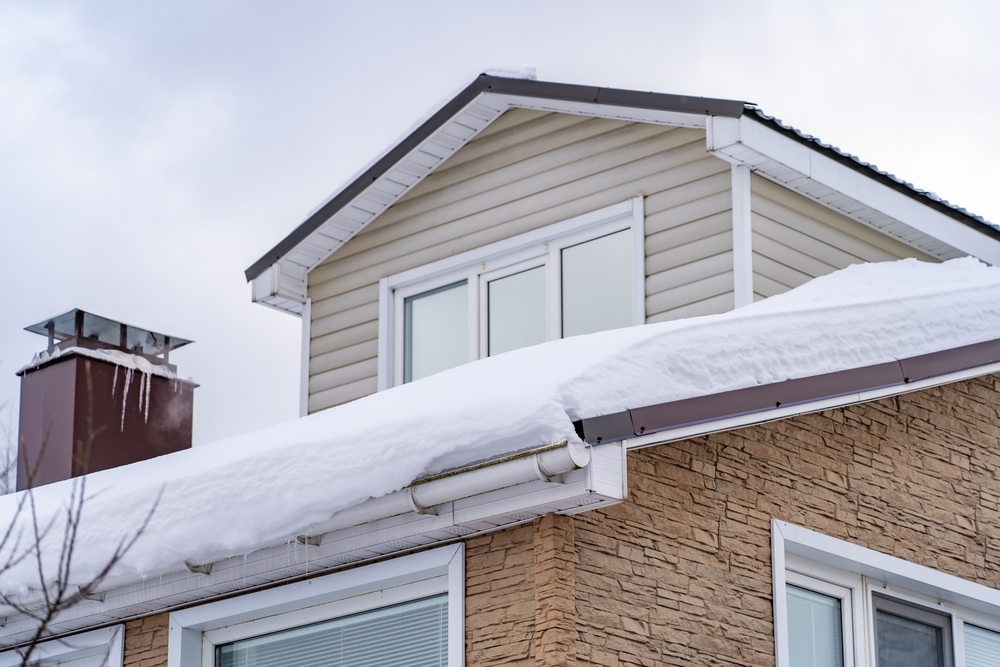
In other words, winter damage such as ice dams, snow buildup, or wind-lifted shingles is generally not covered unless it can be directly and clearly traced back to a defective product. That’s why a professional inspection from a certified contractor like Topper Roofing is helpful because we can determine whether a problem is a true material defect or if it was caused by winter weather conditions and guide the homeowners on the next steps.
- Workmanship Warranty
A workmanship warranty covers how your roof was installed, not the roofing materials themselves. If something goes wrong due to installation errors, such as improperly sealed flashing or missed details, this warranty protects you.
What it typically covers:
- Installation mistakes that lead to leakage or material failure
- Labor and material required to rectify installation-related problems
What it usually doesn’t cover:
- Weather-related damage including ice, snow, or wind
- Leaks from falling tree limbs or debris
- Damage that happens after the warranty period.
That is why working with an experienced contractor matters. Topper Roofing is a Preferred Contractor for Owens Corning, which means our installation standards are held to a higher level, and that plays a direct role in how warranties hold up over time.
Where Winter Damage Fits In
This is where it gets frustrating for homeowners, as most of the time the damage directly due to winter weather is not considered a warranty issue, especially when the condition of the roof or the level of maintenance plays a role.
Winter-related problems are more likely to fall outside warranty coverage when they’re tied to:
- Pre-existing wear or aging materials that were already near the end of their lifespan
- Ice- and water-backup problems caused by a lack of maintenance, such as clogged gutters or neglected flashing.
- Preventable moisture intrusion, where a sealing, ventilation, or insulation problem existed before winter.
- Storm-related damage, such as fallen limbs or debris, to an otherwise functioning roof.
In such cases, the weather is viewed as a trigger rather than a cause. Coverage determinations usually turn on whether the winter conditions constituted an entirely new loss or simply revealed an existing condition.
Cold temperatures and freeze-thaw cycles also stress a roofing system differently. Materials become less flexible, small gaps widen, and moisture finds paths it couldn’t have during milder weather.
That’s why winter damage can sometimes point to something deeper: if snow or ice reveals improper installation, missing flashing, or ventilation problems, then the underlying issue-not the storm itself-may still fall under workmanship coverage.
Why Winter Roof Inspections Make a Difference
One of the greatest warranty challenges is documentation. The longer it takes to identify damages, the more difficult it becomes to determine what caused them, and if warranty coverage applies.
A winter inspection helps by:
- Catching small issues before they grow
- Providing a record of existing roof conditions
- Determine if the damage is a result of the weather or a problem with the installation.
- Supporting insurance or warranty conversations if needed
Even when coverage isn’t available, early detection can prevent a minor issue from turning into a major repair.
How Topper Roofing Helps Homeowners Navigate Warranties
At Topper Roofing, we don’t just point homeowners to the fine print and leave them guessing. We take the time to look at the roof, explain what we’re seeing, and help you understand what your warranty realistically covers.
Our team can:
- Review the warranty details of your roof with you
- Inspect winter-related damage and identify probable causes
- Explain when insurance may be the better route.
- Recommend practical repair options when warranties don’t apply
As a Master Elite® Certified Contractor, Topper Roofing can also offer enhanced warranty options that many contractors simply can’t, and we stand behind the work long after installation. For those homeowners who like to know the coverage details a little better, our roof warranties page breaks things down in plain language.
Beyond the Warranty: Protecting Your Roof Through Winter
Warranties are important, but they’re only one part of protecting your home. Proper ventilation, routine inspections, and timely repairs all this goes a long way toward how well your roof holds up through Maryland winters.
Whether it be for a current issue or just wanting peace of mind before the next cold snap, having a roofing contractor you can trust makes all the difference.
If you have questions about your roof warranty or if you’d like a winter inspection, Topper Roofing is here to help. Contact us even when the answer isn’t a simple one.