What protects your home from water isn’t always what you see from the street. The most important roofing components are often the ones that are hidden from view. Most homeowners think that shingles are the roof. At Topper Roofing, we have replaced many roofs and know that they are only one part of a system that is designed to keep your home dry. A roof is composed of many different components, and the ones that you don’t see are often the most important.
We will take you through the roofing components that we concentrate on for every roofing project.
Underlayment: The Secondary Water Barrier
Beneath your shingles is a protective layer known as roof underlayment. This is a secondary barrier that protects against wind-driven rain or ice dams. There are two types of underlayment: traditional felt paper and synthetic underlayment. The type of underlayment that is used is of great importance, and synthetic underlayment is far more durable and resistant to tears.
In the areas where leaks are most likely to occur, such as the eaves and valleys, we also install a secondary waterproofing layer called an ice and water shield. Homeowners will never see this layer, but we believe that it is one of the most critical elements of a roofing system.
Drip Edge: The Small Detail That Makes a World of Difference
A drip edge is a small metal piece that is installed along the edges of your roof. Even though it is a small detail, it plays an important role in directing water away from your roof’s fascia.
A drip edge also prevents rot and keeps insects from getting underneath your shingles. We believe that drip edges are not an option but rather a simple solution to a complex problem.
Flashing: The Most Critical and Often Overlooked Component
If there is one aspect that we see go wrong most often, it is flashing.
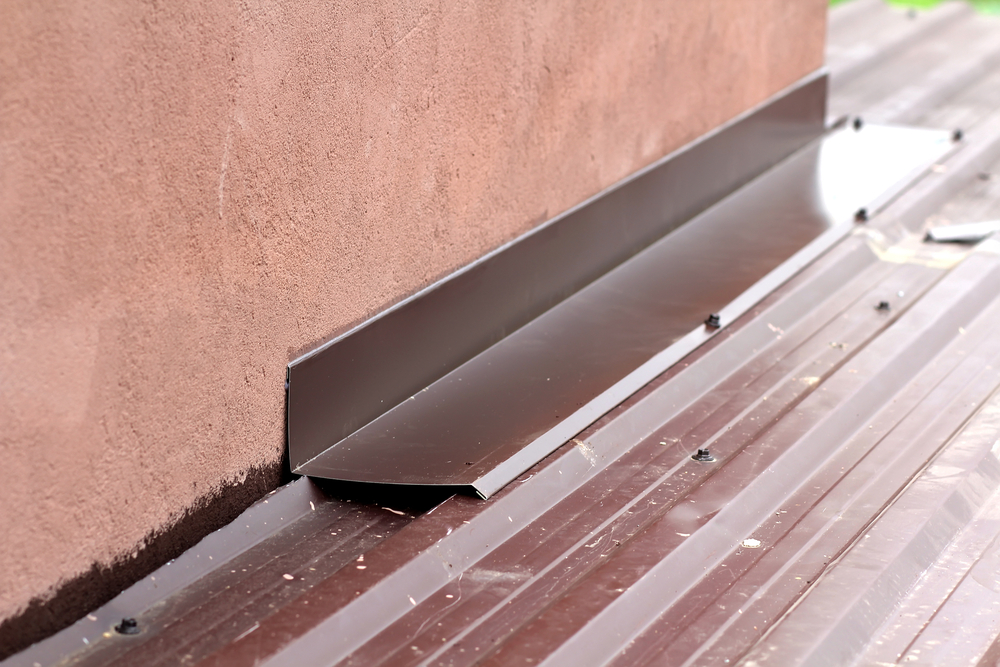
Flashing is usually made of metal and is placed wherever the roof intersects a vertical surface, such as chimneys, skylights, vents, dormers, and intersections of walls. This is where shingles simply can’t keep the water out, as it tends to collect.
Flashing takes several different forms, including step flashing on the sides of the roof, counter flashing on chimneys, and valley flashing in the valleys of the roof. Each of these needs to be properly layered with shingles to make a waterproof seal.
We have seen many roofs that looked just fine from the ground up that had problems with flashing that had been installed incorrectly or reused.
Fasteners: The Hidden Strength of Your Roof
Roofing nails are critical for keeping shingles in place through wind, temperature extremes, and the elements. Using the wrong roofing nails or installing them incorrectly can make your roof susceptible to wind damage.
Proper placement is just as important as the fasteners themselves. Roofing nails should be installed correctly into the roof deck. Over- or under-driven nails can cause your roof to fail. We pay strict attention to fastening in high-wind regions.
Ventilation: The System That Protects from the Inside
Another area often overlooked is attic ventilation. The ventilation system on your roof is designed to work in conjunction with intake and exhaust vents to control temperature and moisture in the attic.
Moisture that is not controlled can result in mold growth, wood rot, and shortened roof life, while improper ventilation in the winter can cause ice dams. Ridge vents, soffit vents, and other parts work together to ensure that there is adequate ventilation. A roof is more than just a system that protects your home from the outside; it is also a system that controls what is happening on the inside.
Why the System Matters
Major manufacturers design roofing materials as a system, which incorporates starter shingles, ridge caps, underlayments, and ventilation products. When all these components are properly installed, the system is highly effective in protecting against wind, rain, and extreme temperatures.
However, if the system is compromised by a missing drip edge, reused flashing, or improper fasteners, problems will arise earlier than they would have otherwise. We have repaired enough leaks that could have been prevented to know that even the smallest parts make the biggest difference.
What Homeowners Should Ask
If you are considering a roof replacement, it is essential to ask more than just questions about shingles.
Here are some important questions to ask:
- What kind of underlayment material will be used?
- Will ice and water protection be installed?
- How will the flashing be replaced?
- What type of drip edge will be used?
- What kind of fasteners will be installed?
- What wind rating is specified for the roof?
- How will ventilation be evaluated?
A reputable roofer should be able to answer each of these questions confidently and with authority.
Our Approach at Topper Roofing
At Topper Roofing, we do not simply replace one element of a roof during a replacement. Rather, we concentrate on all elements, particularly those that are unseen and prevent callbacks. When these elements are properly installed, your home remains dry, safe, and secure.
This is our philosophy for every roof replacement at Topper Roofing.
Contact us today to have your roof replaced by experts.