
Storms in summer can be very unpredictable in Maryland. What seems like an average day can turn into one with a lot of rain, wind, hail, and branches dropping at any minute.
When that happens, your roof will most likely be your first line of protection.
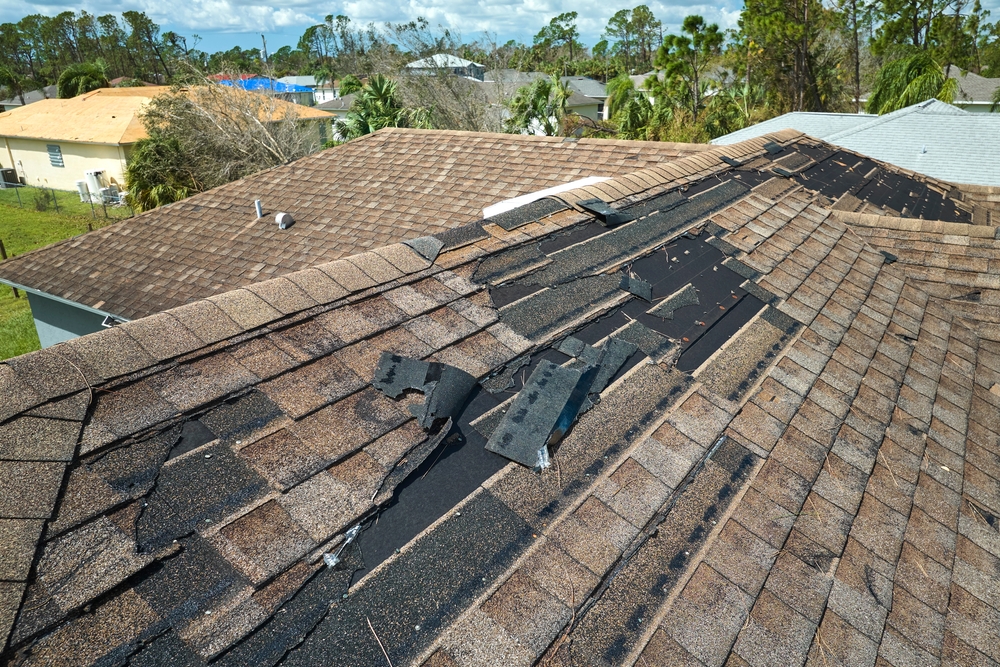
It is easy to see if your roof was damaged in a storm. You can spot broken shingles, falling debris, and leaks in your home. However, sometimes damage may be harder to detect and might appear after several days or even weeks.
That uncertainty can feel overwhelming, especially when you are trying to figure out what to do next.
At Topper Roofing, we helped plenty of Maryland homeowners manage roof damage caused by severe summer weather and saw that timely action could prevent further difficulties.
Here is a checklist to follow if you think that your roof may suffer damage after a summer storm.
Step 1: Prioritize Safety First
Before making any inspections at all, ensure that everyone in the house is safe.
In case the storm has brought about serious problems, including damage from trees, downed power lines, or issues with the structure, do not go anywhere near the problem areas. If you see any leaks indoors, stay away from areas near any electrical connections and wiring.
The area outside your home may be dangerous even after the storm has subsided. This is because of wet floors and other dangerous things.
This means that you should stay off your roof. The best place for a visual inspection would be on the ground.
Step 2: Check for Visible Signs of Roof Damage
Once it is safe, walk around your property and observe any visible signs of damage.
The following are some indicators of possible problems:
- Absent shingles
- Curling and/or lifting shingles
- Damages to flashing or roof vents
- Tree branches on the roof
- Granules in the gutter or by the downspout
- Leaking gutters or accumulation of debris in the gutters
In addition, it is important to observe your property inside the house.
Some of the indicators of damage may include:
- Stains on ceilings and walls
- Visible dripping water
- Gutter that is leaking
- Moisture in the attic
- Odors after it rains
Some storm damage is easy to miss, and even small issues can lead to bigger problems over time.
Step 3: Document Any Damage
In case you observe any kind of damage, make sure to document all of it.
Take pictures and videos from safe areas on your property. Take pictures from both long-range angles as well as up-close angles of any area that appears to have suffered damage.
Make sure to document:
- Roof damage
- Gutters or siding damage
- Debris that fell down
- Water stains inside the house
It also helps to note:
- Date and time of the storm
- Conditions such as wind, hail, or rain
- The first time you observed the damage
Proper documentation may come in handy if you decide to make an insurance claim.
Step 4: Prevent Further Damage If Possible
After you have assessed the extent of the damage, your next step should be to try to prevent more issues.
In the case of a leak, place buckets or towels where the water is entering your home to prevent floor damage or damage to possessions.
You can move items away from the damage, but be sure not to make any big fixes yourself if doing so requires that you get on the roof.
Step 5: Contact Your Insurance Provider
If your roof sustained any damage, then it is time to contact your home insurance company. Communicate your issue and give them all the documents and photographs that you have taken.
Your insurance company may assist you with:
- Filing the claim
- Submitting the documentation
- Setting up the adjuster’s appointment
- Analyzing the coverage for repairs
There are many things that can affect the coverage, including the policy you have and the previous condition of your roof. Keeping records organized can help make this process smoother.
Step 6: Schedule a Professional Roof Inspection
This step is one of the most important after the storm. Something that seems to be minor now might become a major problem in the future. And not all roof damage will be visible from the ground. There might be problems such as lifted shingles, damaged flashing, minor punctures, and hidden water intrusion.
A professional inspection helps to get a better idea of the condition of your roof and if there are any damages that require repair after the storm.
Over the years, we have realized how common it is for storm damage to remain undetected until it becomes a bigger problem.
Step 7: Address Repairs Promptly
Putting off repairs on your roof can turn a minor problem into a major one. After summer rains, you will usually find rain, heat, and high humidity in Maryland. This can deteriorate an already damaged roof.
The consequences of waiting too long can include:
- Interior water damage
- Mold growth
- Insulation damage
- Wood rot
- More expensive repairs
Immediate repair can save you money and hassle in the long run.
When Professional Help Makes Sense
There are a number of storm damage problems related to your roof that need to be handled sooner rather than later. It might be best to seek professional inspection of your roof when you see:
- Shingles missing
- Active leaks
- Hail damage
- Debris from the storm on the roof
- Roof sagging
- Water damage in your home following the storm
Even if you are not yet sure if your roof has been damaged or not, it is safer to get it checked out sooner rather than later.
Taking care of small or big damage early saves you a lot of headaches later on.
Protecting Your Roof Before the Next Storm
Knowing what steps to take after storm damage can help you stay calm, protect your home, and make informed decisions moving forward. Because while no roof is completely storm-proof, regular maintenance and inspections can help reduce the risk of serious damage.
A well-maintained roof gives your home stronger protection when storms move through.
Storm damage can leave a lot of unanswered questions, but you do not have to figure it out alone. At Topper Roofing, we are here to help Maryland homeowners make informed decisions.
Contact us if you need a professional assessment after a storm.