Did you know that poor roof drainage can cause structural problems most homeowners never think about? As a trusted roofing company in Frederick, MD, we often see homes where poor roof drainage was ignored until serious damage had already occurred. Here’s what homeowners need to know.
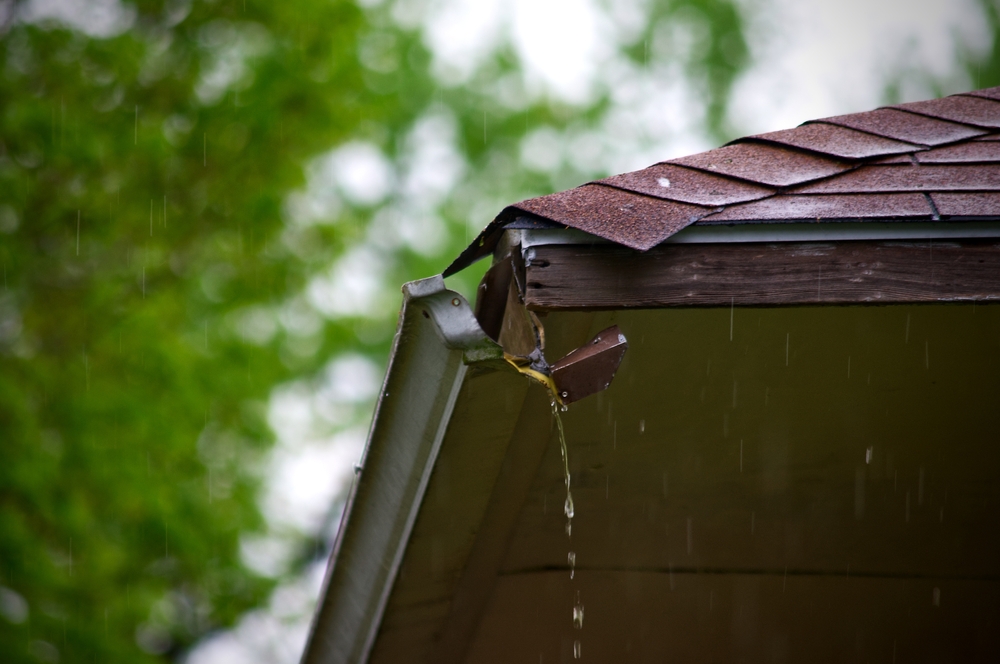
A clogged gutter and overflowing water may not seem like a concern at first. However, when water isn’t properly channeled away from your house, it doesn’t magically disappear. Instead, it begins to impact areas that aren’t always visible to you.
Your roof is more than just a barrier against the rain. It’s also meant to channel water safely off the roof and away from your house. However, when this process is compromised, water starts flowing where it shouldn’t. And that’s when structural issues begin.
Fascia Rot and Soffit Damage
Your gutters are secured to the fascia board, which is a long horizontal board running along the edge of your roof. When your gutters become clogged with debris or start to sag away from your house, water accumulates and soaks into the wood.
Wood that gets wet doesn’t remain sturdy. It becomes soft. It swells. Then it rots.
As the fascia deteriorates, your gutters will no longer have support. They will sag more, creating additional water damage during the next storm. This cycle of repeated wetting and drying accelerates deterioration.
Water can also become trapped in the soffits beneath the roof overhang. Eventually, these areas can cause paint to peel, mold to grow, and tiny holes for pests to enter.
What began as a clogged gutter can escalate into a structural repair problem along your entire roofline.
Damage to Siding and Hidden Wall Structures
When gutters are overflowing, water flows straight down your walls.
This leads to staining and early damage. Wood siding can rot. Vinyl siding can warp or come loose at joints. Even the most resilient materials will break down when they’re constantly saturated with water.
The bigger problem is what’s happening behind the siding.
Water can migrate inside and saturate the sheathing and framing layers beneath the exterior wall surface. This type of hidden damage is often hard to detect until problems become apparent inside the house, such as drywall damage or insulation issues.
Most of the common problems can be attributed to poor roof drainage. Water that’s not properly directed will find another way.
Foundation Problems Due to Inadequate Water Drainage
Your roof drainage system plays a direct role in protecting your foundation.
Gutters and downspouts are designed to direct water several feet away from your house. However, if your downspouts are too short, clogged, or disconnected, water will tend to accumulate around the foundation of your house.
Over time, this can lead to:
- Soil erosion
- Foundation settlement
- Cracks in foundation walls
- Leaks in your basement or crawlspace
When soil is constantly saturated, it expands and contracts as it dries. This movement stresses foundation walls. Excess moisture also exerts pressure on your foundation walls, causing water to seep into tiny cracks and weaknesses.
As a Frederick roofing company, we have seen instances where inadequate drainage has led to long-term structural shifting. Even the slightest movement in your foundation can affect the alignment of your house’s frame, which in turn puts pressure on roofing materials over time.
Drainage problems rarely stay isolated to one part of your home. Water-related foundation movement can shift the structure and place additional stress on the roof.
Ice Dams and Seasonal Weather Stress
Drainage problems become even more serious during the winter season.
If gutters are clogged or improperly pitched, melting snow cannot drain effectively. Water freezes along the roof edge and forms ice dams. These ice dams create a barrier that traps melting snow behind them.
This water can infiltrate between shingles and the roof deck.
Freeze-and-thaw cycles make the situation worse. As water freezes, it expands. Seasonal temperature swings cause this water to expand and place stress on shingles, flashing, and roof edges. Over time, the constant stress weakens these materials, and the likelihood of leaks increases.
Rain during warmer months and freezing temperatures during winter seasons can reveal weaknesses in a roof drainage system. Seasonal weather patterns don’t cause problems; they expose existing issues.
Interior Moisture and Mold Issues
Water doesn’t need much to enter a home and cause interior damage. Often, it simply requires time.
When this happens, water can work its way beneath shingles or enter around flashing and roof edges. Once inside, the water migrates throughout the insulation, drywall, and wood structure.
Homeowners may begin to notice:
- Stains on the ceiling
- Peeling paint
- Musty smells
- Higher indoor humidity
Moisture is one of the leading causes of mold growth and wood rot. The longer it is left unchecked, the more extensive the damage.
Often, interior moisture issues begin with something as simple as water not being properly directed away from the home, which can quietly lead to costly structural damage.
Why Roof Drainage Problems Escalate Over Time
Roof drainage problems rarely cause immediate failure. This is why it is so easy to overlook them.
- A partially clogged gutter.
- A downspout that empties too close to the house.
- A section of gutter that holds standing water after a storm.
Each one, by itself, is not a problem. But water is relentless. With each storm and each passing year, it seeps into vulnerabilities. It deteriorates wood. It rusts metal. It expands tiny cracks. It erodes soil.
Gradually, small drainage issues compound into larger structural repairs.
A well-functioning roof drainage system is one of the most critical elements in maintaining your home’s structural integrity.
What This Means for Your Home
Your roof is more than just shingles. It’s a total system created to handle water.
With a functioning drainage system, your home remains protected from fascia to foundation. Without it, the problems extend from the roof out and down, impacting various components of your home along the way.
At Topper Roofing, we believe prevention is the best protection. When drainage is working properly, your entire home stays structurally sound.
Contact us today if you’re looking for a reliable roofing company in Maryland that understands the impact of drainage on the entire system of your home. Addressing small issues early can prevent significant structural repairs later.