While the Atlantic hurricane season is from June to November, it usually peaks during September.
Maryland may not experience a direct hurricane landfall, but tropical systems can still bring strong gusts, heavy rainfall, and wind-driven rain to the state. For homeowners, the danger isn’t necessarily about a hurricane hitting their front door. Even a less intense tropical system can bring strong winds, torrential rains, and wind-driven rains, which may add additional stress to a roofing system. A small vulnerability can become missing shingles, damaged flashing, or water intrusion when stronger winds and heavy rain arrive.
With Topper Roofing serving homeowners throughout Maryland, we see how much easier it is to address small roofing problems before severe weather exposes them. Checking the roof before the busiest part of hurricane season gives you a chance to address those problems while there is still time.
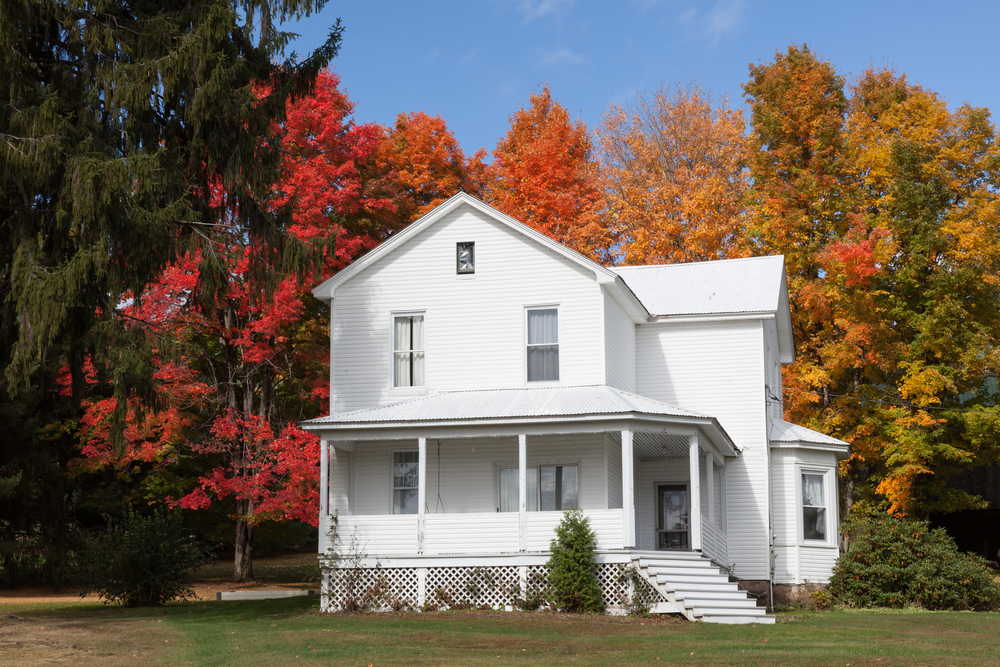
How High Winds Can Expose Roof Weaknesses
Winds blowing against the roof surface will cause uplift forces in the roofing materials. Open sections such as the roof edges, corners, ridges, and hips are particularly critical areas that need to be examined for any problems related to current damage or unstable roofing materials.
Installation plays a key role in the ability of the shingles to withstand high winds. Even if two roofs are identical in age and construction material, there is the possibility that one may fare better than the other in a storm due to some problem in the installation process.
The Parts of Your Roof Worth Checking Before a Storm
From the ground, there are several things you can check.
Shingles and Roof Edges
Look for shingles that are cracked, curling, lifted, or missing. Also, pay attention to the roof edges, as they can be more vulnerable to strong winds.
Ridge and Hip Caps
From the ground, look for ridge and hip caps that appear loose, damaged, or out of place.
Flashing and Roof Penetrations
Chimneys, skylights, vents, and other roof penetrations need proper protection from water.
Flashing helps direct water away from these vulnerable transitions. If it is loose, damaged, or deteriorating, wind-driven rain may find a path into the roofing system.
Gutters and Roofline
Clear leaves and debris from gutters and downspouts so rainwater can drain properly, an important part of preparing your home for severe weather.
Also check the fascia and soffits around the roofline for visible damage or separation. Keeping these areas in good condition can help your home handle heavy rainfall.
Trees Around the House
Sometimes the biggest threat to a roof is not the roof itself. Dead, damaged, or overhanging branches can break during strong winds and land on shingles, gutters, or other parts of the roofing system.
Look at the trees around your home before storm season reaches its peak, and have questionable branches handled by a qualified tree professional.
You do not need to get on the roof to look for potential problems. If you spot something that looks questionable, leave the closer inspection to a professional rather than trying to investigate it yourself.
Already Have a Roofing Problem? Don’t Wait for the Forecast
What may seem like a small problem may stay small under normal weather circumstances. But with strong winds and heavy rainfall, it can quickly become a major issue that you will need to take care of. So if you have noticed a missing shingle, a leak, damaged flashing, or another roofing issue, hurricane season is not the time to put it off.
Roofing material and its installation can also influence the performance of the roof in severe weather conditions. Proper fastening and sealing can help reduce vulnerabilities during severe weather. Wind-resistant roofing considerations are worth discussing with a professional if your roof is older or you are considering replacement.
Timing is important as well. Once severe weather is approaching, roofing contractors may already be handling storm-related calls. Fixing your existing problem beforehand increases the likelihood of having it inspected before the weather strikes.
Get Your Roof Ready Before Peak Hurricane Season
Maryland homeowners do not need to panic every time a tropical system appears on the forecast. But as August gives way to September, it is worth knowing where your roof stands before the weather puts it to the test.
At Topper Roofing, we help Maryland homeowners identify roofing problems, understand the condition of their roofs, and determine what needs attention before the next system comes through. If you have concerns about your roof before peak hurricane season, contact us to schedule an inspection.