
Fall in Maryland can bring warm afternoons and cool evenings within the same day. Those temperature changes affect your roof, too.
How fall temperature swings cause roofing material expansion and contraction is straightforward. Due to temperature changes, the roofing materials expand and contract. This is a normal part of how a roof responds to the weather.
That is why we recommend paying attention to your roof as temperatures begin to change in early fall.
How Temperature Changes Affect Your Roof
Over time, however, temperature changes can cause roofing materials to expand and contract, and repeated movement can contribute to stress on the roofing system.
The concern is greater when materials are already weakened. An example would be an old shingle that does not have the flexibility of a new one. Should there already be a crack or brittleness in the shingle, any movement will add stress to that area. This applies to any deteriorated flashing, joints, and other parts of the roof.
Sunlight, wind, rain, storms, moisture, and roof age also affect how materials hold up.
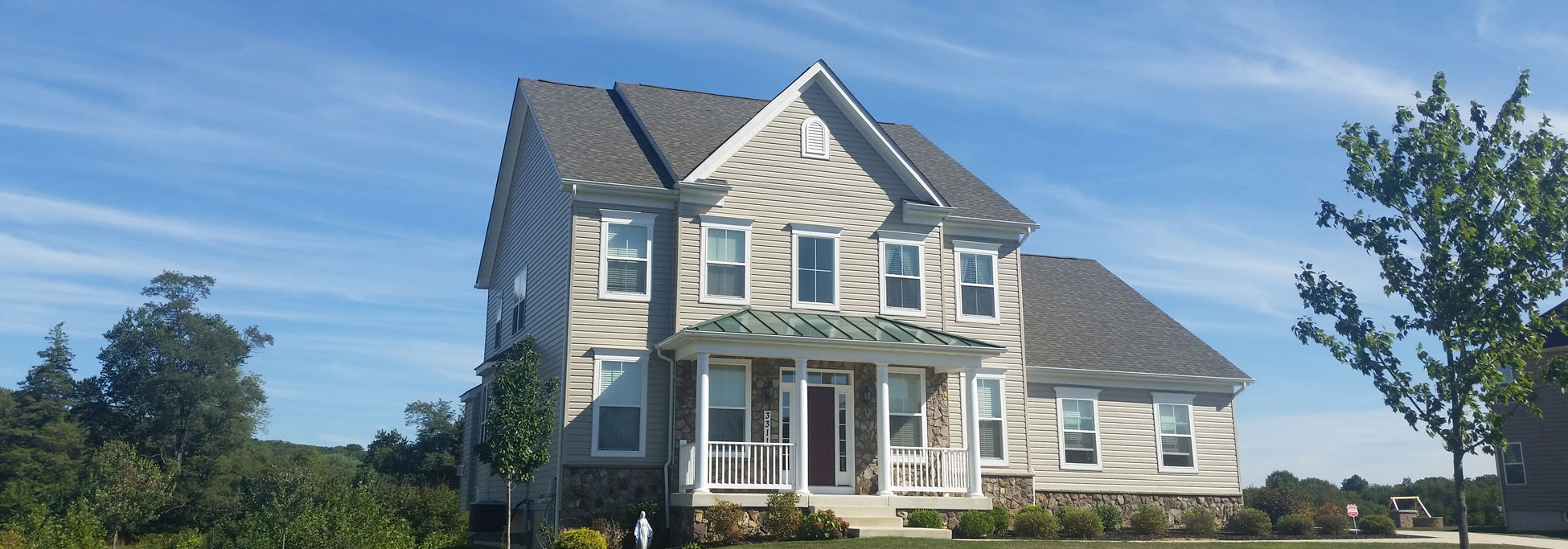
Why Fall Is a Good Time to Pay Attention
If a shingle is already cracked, curling, or lifting, repeated heating and cooling can continue to put stress on that weakened area. Finding the problem early gives you time to address it before colder weather arrives.
Which Parts of the Roof Should We Check?
During a roof inspection, we pay attention to the condition of the shingles and areas around them.
Shingles: The shingles get subjected to exposure to sun, rain, wind, and temperature changes throughout their lifespan.
Over time, shingles tend to split, curl up, lift, or start losing granules. Also, we evaluate the state of adjacent shingles because a localized repair might be enough depending on the findings.
Flashing: The flashing provides protection for chimney, vent, and other roof penetration areas.
Some issues might develop in these areas due to the detachment, damage, or deterioration of flashing. Deteriorated flashing allows moisture to enter the roofing system eventually, so we pay extra attention to this area during a roof inspection.
Roof Transitions and Joints: There are various transitions on roofs, which include joints, flashing, and sealant.
Gaps, damaged sealant, and any other signs of deterioration should be addressed before the situation gets out of hand.
What Can Homeowners Look For?
You don’t have to get on your roof to detect problems. From the ground and even inside your house, check for:
- Moss, curled, missing, or damaged shingles
- Shingles that appear loose or raised
- Flashing damage where chimneys or vents meet the roof
- Lots of granules in your gutters
- Water stains on ceilings or in the attic
- Damage left by summer storms
If you see anything unusual or if anything appears out of place, it’s best to have an expert examine it further.
Why We Recommend an Early Fall Inspection
One of the reasons we recommend an early fall roof inspection is that it allows you enough time to address problems before winter.
Waiting until a winter storm exposes the problem can make repairs more difficult. An inspection does not automatically mean you need a new roof. We take into account the age of the roof and its general state when deciding whether to repair or replace it.
Our goal is to identify the problem and explain what your roof needs.
Does Expansion and Contraction Mean You Need a New Roof?
If your roof is in good condition, then the changes in temperature are natural for it. If there are signs of deterioration, repeated movement can add stress and contribute to further wear.
Check Your Roof Before Colder Weather Arrives
If you have noticed cracked or curling shingles, damaged flashing, water stains, or other signs of wear, we can take a closer look at your roof and help you determine what needs attention.
At Topper Roofing, we focus on finding the actual problem and recommending the appropriate solution, whether that means a repair or further evaluation.
If you are concerned about your roof’s condition, contact us to schedule an inspection.