If your home has a chimney, plumbing vent, or another opening through the roof, fall is a good time to check those areas. Because when you start running the heat regularly this season, the last thing you want to find is a water stain that was not there a few weeks ago.
Preparing your chimney and roof flashing for heating season does not mean assuming you need a major repair. It means looking for potential problems while there is still time to address them before winter.
At Topper Roofing, we pay close attention to roof penetrations and flashing before colder weather arrives. These areas can be vulnerable to water if flashing, shingles, or surrounding materials are damaged.
Start With the Chimney
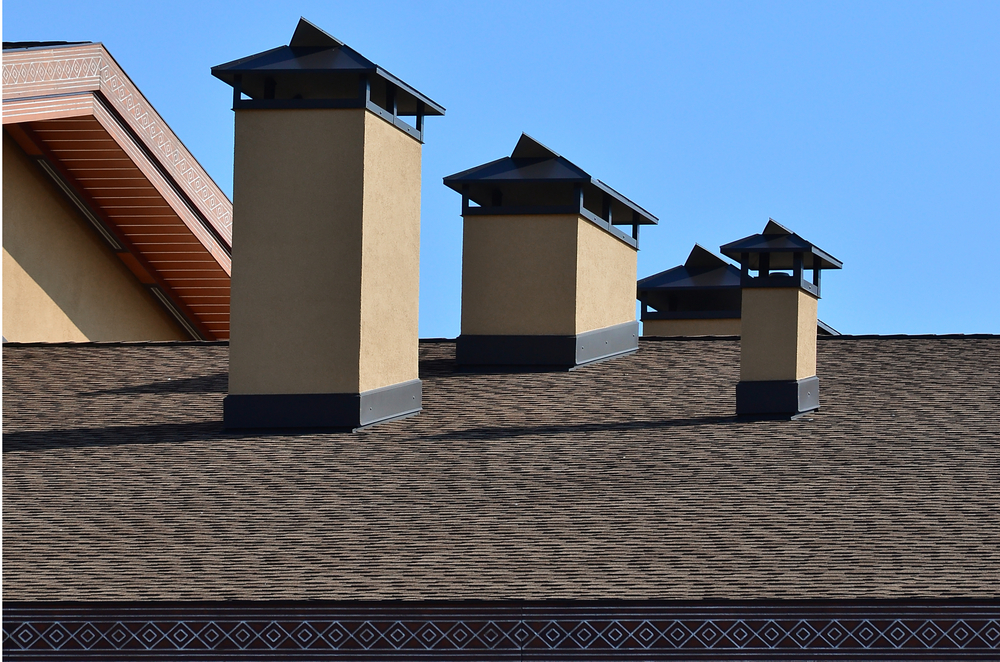
The connection between your chimney and roof deserves a closer look. A chimney passes through the roofing system, so the area around its base needs to be protected from water.
Chimney flashing helps protect the area where the masonry and roofing meet. Depending on the chimney, the flashing may include step flashing along the sides and other components around the base.
From the ground, look for:
- Damaged or missing shingles around the chimney
- Flashing that appears bent, loose, or displaced
- Visible gaps around the chimney
- Cracked or deteriorated sealant
- Rust or corrosion on exposed metal
You do not need to climb onto the roof to check these areas. If you cannot see the flashing clearly, leave the closer inspection to a roofing professional.
Check Other Roof Openings
The chimney is not the only roof penetration that needs attention. Plumbing vents, exhaust vents, and other openings can also become problem areas if the surrounding materials are damaged.
Roof flashing helps direct water away from vulnerable joints and openings.
From the ground, look at visible vents and check for damaged shingles, gaps, or materials that look loose or deteriorated.
If your heating system has a vent that exits through the roof, include that area in the roofing inspection. The venting system itself is separate from the roofing work, so furnace or chimney-system concerns should be handled by the appropriate HVAC or chimney professional.
Look for Signs of Moisture
Some roofing problems are easier to notice from inside the house.
If your attic is safely accessible, look around the underside of the roof near the chimney and other penetrations. Watch for water stains, damp insulation, darkened wood, or water marks.
Check the ceilings on the upper floor for new brown or yellow stains, too.
Keep in mind that water does not always appear directly below the point where it entered. It can travel along the roof deck or framing, so an indoor stain does not necessarily identify the source of the leak.
Think About Summer Storms
Before winter arrives, think about what your roof has already been through during the summer storms.
Did a branch hit the roof? Did you find a shingle in the yard after a storm? Did you notice moisture in the attic after heavy rain?
Wind and falling branches can damage shingles or flashing without causing an immediate leak. If you noticed anything unusual during the summer, mention it when the roof is inspected. That can help us pay closer attention to the affected area.
Do Not Rely on Caulk to Fix Flashing
Seeing a gap around a chimney can make it tempting to reach for a tube of caulk. While sealant can be part of a properly installed roofing system, it cannot replace damaged or improperly installed flashing.
If flashing has shifted or deteriorated, adding more sealant may only cover the visible part of the problem.
When we inspect a flashing concern, we look at the flashing, surrounding shingles, and nearby roofing materials to determine what actually needs attention.
What Should Be Repaired Before Winter?
Not every flashing problem means you need a new roof. The repair depends on what we find.
It may be a damaged shingle, deteriorated flashing, a problem around a roof penetration, or damage that has allowed water to reach the roof deck.
Finding these issues in the fall gives you more time to address them before you are dealing with a leak during cold or stormy weather.
Homeowners can safely look over the roof from the ground and check accessible areas inside the home. We do not recommend climbing onto the roof to inspect or repair flashing yourself.
Keep Roof and Heating Maintenance Separate
Getting your roof ready for the heating season does not replace maintenance for your furnace or chimney system.
We can inspect the roofing components around your chimney and other roof penetrations, including shingles, flashing, and areas showing signs of water intrusion.
Concerns involving the furnace, flue, chimney interior, combustion system, or other heating equipment should be handled by the appropriate qualified HVAC or chimney professional.
A Quick Fall Check
Before you begin using your heating system regularly, take a few minutes to ask:
- Does the chimney area look intact? Look for damaged shingles, visible gaps, loose-looking flashing, or deterioration.
- Do the roof vents look okay? Check visible areas for damaged shingles or deterioration around the vent bases.
- Have you noticed moisture? Look in accessible attic areas and check upper-floor ceilings for new stains.
- Did your roof experience storm damage? If wind, heavy rain, or falling branches affected your property, make sure the roof was checked.
If something looks damaged or you are unsure what you are seeing, have it inspected rather than trying to repair it yourself.
Get Your Roof Ready Before Winter
Do not assume that everything is fine. A little attention before winter can help you head into the heating season knowing your roof is ready for the months ahead.
At Topper Roofing, we have been serving Maryland homeowners since 1988. If you have concerns about chimney flashing, roof vents, damaged shingles, or a leak you cannot locate, contact us to have the area checked.