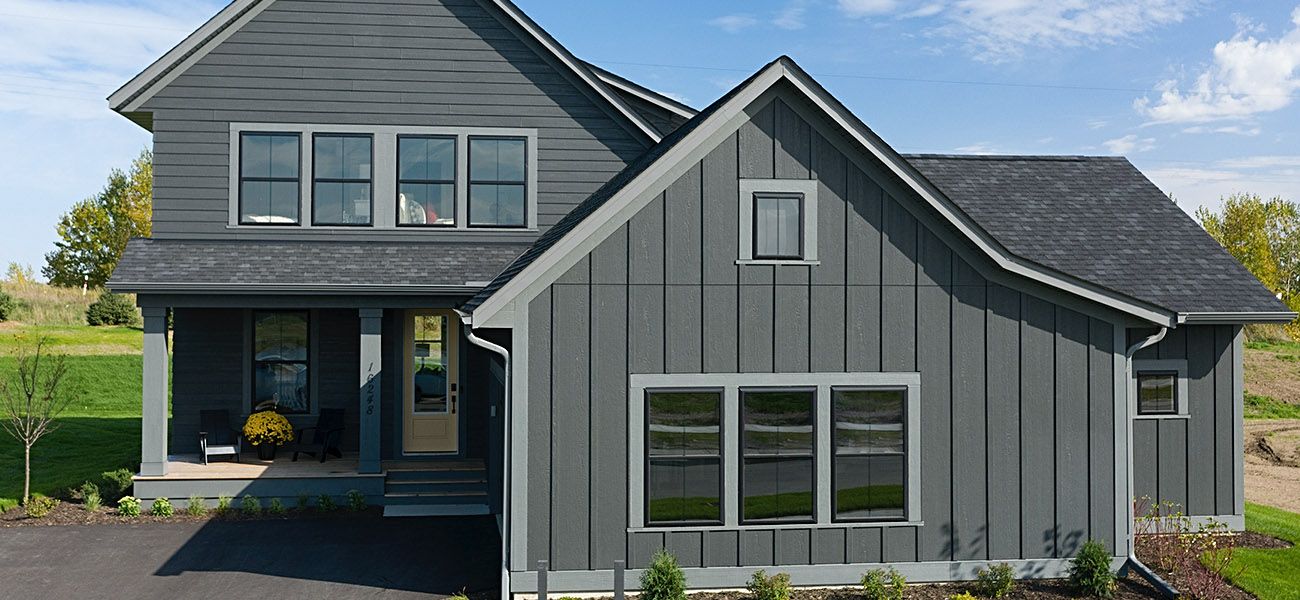
If you’re planning to list your home this fall, you probably already have a to-do list going. Mow the lawn, mulch the beds, repaint the front door, clean up the porch. All good things to do, but when that potential buyer drives into your driveway, the first things they will see are the roof and the siding of your home.
Following the initial visit is the inspection stage. The minor issues that were overlooked when driving by might become issues to be addressed.
That’s why we think roofing and siding deserve a place near the top of your pre-sale checklist. They affect curb appeal and can also influence how buyers view the home’s overall condition. For homeowners preparing to sell, Topper Roofing can help identify roofing and siding issues worth addressing before the home goes on the market.
What Buyers Notice From the Curb
A potential buyer does not need to be a roofing expert to notice a deteriorated exterior. Before listing, take a look at:
- The roof: Worn-out shingles, curls, wear marks, or an uneven roofline will make people wonder how long the roof is going to last.
- Roof stains and growth: Streaks, algae, or moss can damage the appearance of the roof. It depends on the type of problem and condition of the roof if it needs repair or just cleaning.
- Siding and trim: Cracked, warped, or loose siding, faded or damaged trim, and cracked joints can attract attention through photos of your listing and in person when walking around the home.
- Gutters and downspouts: Loose or overflowing gutters, clogged areas, and improper placement of downspouts will make even a well-maintained exterior look incomplete.
Curb appeal is more than photos. Maintenance and cleaning of your exterior will give potential buyers confidence about your property. Even smaller projects can make a noticeable difference.
What an Inspector May Find
An inspector may check the roof, flashing, siding, gutters, and any places where water can get into your house. Typical problems include broken shingles, damaged flashing, signs of water intrusion, broken siding, damaged exterior wood, and gutter problems. The state of the attic area can also indicate moisture or ventilation problems.
Everything that an inspector discovers does not necessarily mean a problem. There are many things that may be just regular maintenance or easy fixes.
However, the real danger comes from when you find some major problems once you already have a buyer and an agreed price. Then, you have to make a decision, either fix it, give credit, lower the price, etc.
Knowing about the problems before the listing process is very important.
Should You Repair or Replace?
The goal is not about making your home look like new at any cost; it is about fixing whatever is going to have an impact on buyers’ initial impressions and inspections.
- Roof with useful life remaining: An overall good roof with just some problems with the shingles or the flashing may only require some spot repairs.
- Roof showing widespread wear: Deterioration, leaks, or extensive damage to the shingles may warrant replacement consideration prior to selling the home.
- Siding with isolated damage: Damaged areas do not always have to indicate that you should get a new siding.
- Siding with widespread deterioration: Extensive cracking, warping, rotting, or moisture damage may necessitate a replacement. If you’re considering a larger exterior update, larger exterior renovations may help you think through the scope of the project.
Consider the ROI
A new roof or siding is not a guarantee that you will get all of your money back from the transaction. It all depends on the condition of the property, location, materials used, quality of the installation, and buyer expectations in the area.
Still, fixing the deterioration of the house can help present it better while avoiding the buyer’s fear of having to pay for repairs. Buyers may prefer a house with a roof still good for some time over a deteriorating roof.
Instead of asking yourself, “Will I get all my money back?” ask if the upgrade solves any potential problems and helps improve the overall condition of the house.
Take a Quick Walk Around Before You List
Before listing photos are taken, stand at the street and look at your house the way a buyer will.
Check for:
- Shingles that curl, crack, or are missing
- Staining or growth on the roof
- Cracked, warped, or loose siding
- Damaged trim
- Sagging or damaged gutters
- Downspouts that don’t drain water off the building
- External staining or evidence of water entry
You do not need to fix all the problems that you notice; you only need to know where they are.
Think About the Roof and Siding Together
If you decide to replace either the roof or siding, consider how the materials will work together.
The roof, siding, trim, brick, stone, and front door all contribute to the home’s exterior appearance, so it helps to coordinate the roof and exterior when planning an update.
If resale is the goal, think about what will appeal to the next homeowner rather than only what reflects your personal taste.
Get a Clear Picture Before You List
If you are not sure if your roof or siding needs repair before listing, a professional inspection will assist you in discerning between necessary repairs and those that can be done after.
At Topper Roofing, we can conduct an inspection of your roof and siding to help you determine what work needs to be done before you list your property. If you are ready to proceed, then Contact Us for an inspection.