
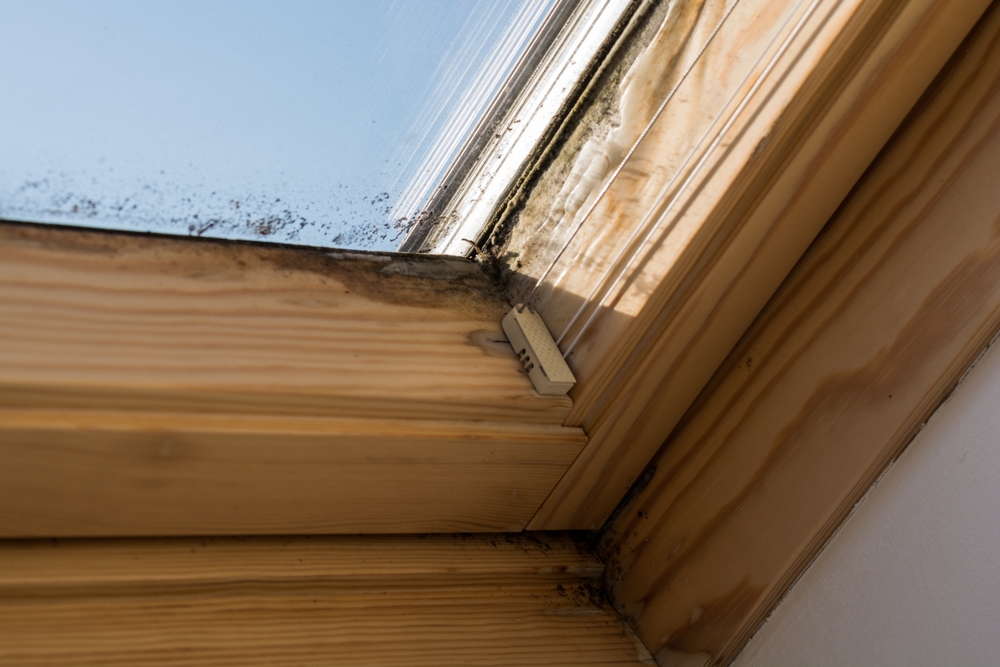
As fall temperatures begin to drop, you might start noticing fog formation on your skylight glass or moisture droplets forming around a ceiling vent. You might suspect a leak in your roof, but the culprit behind the issue may just be condensation.
Condensation occurs due to the transformation of moisture in warm air into droplets when it touches a cold surface. As the temperatures fall fast at night during the fall season, while the house remains warm, the roof materials may cool off much faster than the interior air. This creates conditions for the formation of moisture.
The presence of condensation from time to time doesn’t mean that there is anything to worry about, although if the moisture continues to reappear, it indicates an underlying problem with humidity, insulation, or ventilation. If you’re not sure which one you’re dealing with, Topper Roofing can help you find the source.
Why Fall Temperature Changes Cause Condensation
Simple activities like taking a shower, cooking, and doing laundry introduce moisture to the air inside your house. When external temperatures drop, the glass of your skylight and various elements of the roof can cool down, while the air indoors stays warm and humid.
When the warm, humid air comes into contact with a cold surface, it is cooled down and begins to give off moisture in the form of water droplets. This explains how there may be foggy spots on the inside of the skylight that vanish as the temperature of the glass rises during the day.
Condensation may also appear in roof vents when warm and humid air interacts with cold surfaces in the attic. Moisture can accumulate in the attic if an exhaust fan from the bathroom vents directly into it.
Such issues are becoming especially common in the fall due to the changes in temperatures, which alternate between warm daytime and cold nighttime hours.
Is It Condensation or a Roof Leak?
Condensation and roof leaks can look similar, but the timing and location of the moisture may offer clues about the cause.
| What to Check | Possible Condensation | Possible Roof Leak |
|---|---|---|
| When it appears | Often on cold mornings or after overnight temperature drops | Often during or after rain |
| Where it appears | On the inside of skylight glass, around frames, or on cold vent surfaces | Around skylight flashing, roof penetrations, or damaged roofing |
| What it looks like | Fog, water droplets, or damp surfaces | Dripping water, ceiling stains, or localized wet spots |
These signs can help you narrow down the cause, but they are not conclusive. Condensation can leave stains, and roof leaks may not show up immediately after rain. If moisture keeps returning or you cannot identify the source, have the area inspected to determine what needs attention.
How to Reduce Condensation
The following simple ways can prevent condensation of moisture in and near skylights and venting openings.
Use ventilation fans. Turn the ventilation fans in the bathrooms on during shower time and after that, as recommended by the manufacturer. Utilize the kitchen ventilation fans while cooking, and ensure that both fans vent outside.
Control the indoor humidity level. An affordable hygrometer will help you control the level of humidity. Relative humidity from 30% to 50% is usually considered a good range for the heating season, but this figure can vary depending on outdoor temperatures. It is better to lower the setting on your humidifier in case of condensation.
Inspect the insulation and air leaks. Insufficiently insulated attic spaces, air gaps at pipes and ceilings, as well as skylight wells allow warm indoor air to enter the attic space. In addition, missing or poorly insulated attic areas can cause cooler surface temperatures.
Remove any visible moisture. Clean the skylight frame and sill whenever there is condensation. This is to ensure that no water collects on surrounding surfaces to cause damage. When there is moisture trapped between two layers of glass in a double-layered skylight, the glass seal might be broken and requires professional service.
Ensure roof vents are clear. Debris such as leaves can block vents. Make sure roof vents are checked if you think there is an obstruction.
These steps can help with everyday condensation, but they will not solve a disconnected exhaust duct or a larger attic ventilation problem.
When Condensation Points to a Bigger Problem
While fog on the cold skylight occasionally doesn’t necessarily mean there is a problem with your roof, multiple instances of moisture or dampness in the attic should be considered.
Look for:
- Repeated condensation or condensation that persists despite surfaces warming up.
- Wet insulation or water droplets found on the underside of the roof deck.
- Rusted nails or dark-colored roof boards.
- Musty smell, mold, peeling paint, and recurring ceiling stains.
- Dripping from a bathroom fan or the vent cover.
- Frost found in the attic in winter conditions.
These issues might suggest that indoor humidity levels are too high, air leaks, insufficient insulation, or inadequate attic ventilation are present. Disconnecting the bathroom fan duct might result in sending moisture right into the attic.
Ventilation ensures the movement of air in the attic, whereas proper insulation and air sealing restrict indoor heat and moisture from getting to the cold surfaces of the roof. Ventilation intakes at the soffit and exhaust vents at the ridge should work hand-in-hand as an integrated system.
More vents may not necessarily solve the problem. It could be that the system requires checking to find out if there are any airflow obstructions, inadequate intake or exhaust capacity, insulation defects, and other factors that could lead to recurring condensation despite the presence of some vents.
Persisting moisture can deteriorate insulation, cause corrosion of the fasteners, and result in wood decay or mold. Identifying the problem early on will help prevent future problems.
When to Call Topper Roofing
Recurring condensation around your skylight or roof vent? An inspection may be able to determine if your issue stems from a leak, damage to your flashing, or moisture in your attic.
At Topper Roofing, we can check the condition of the roofing materials around the affected area and look for signs of moisture damage.
Taking care of recurring moisture issues during fall will ensure that your roof is protected before winter hits. Contact us to discuss your concerns and arrange an inspection.