
Flat and low-slope commercial roofs should have adequate drainage in order to properly drain water off of the roof. When there is ponding water on the roof, or when membrane seams start to peel apart, or when drainage is blocked, the roof is susceptible to leaks.
The winter conditions in Maryland can exacerbate any existing problems. With rain, cold, and thaw-freeze cycles, any weak points in the roof can become more vulnerable to leaks. Prior to winter, there are three components to inspect on a flat roof.
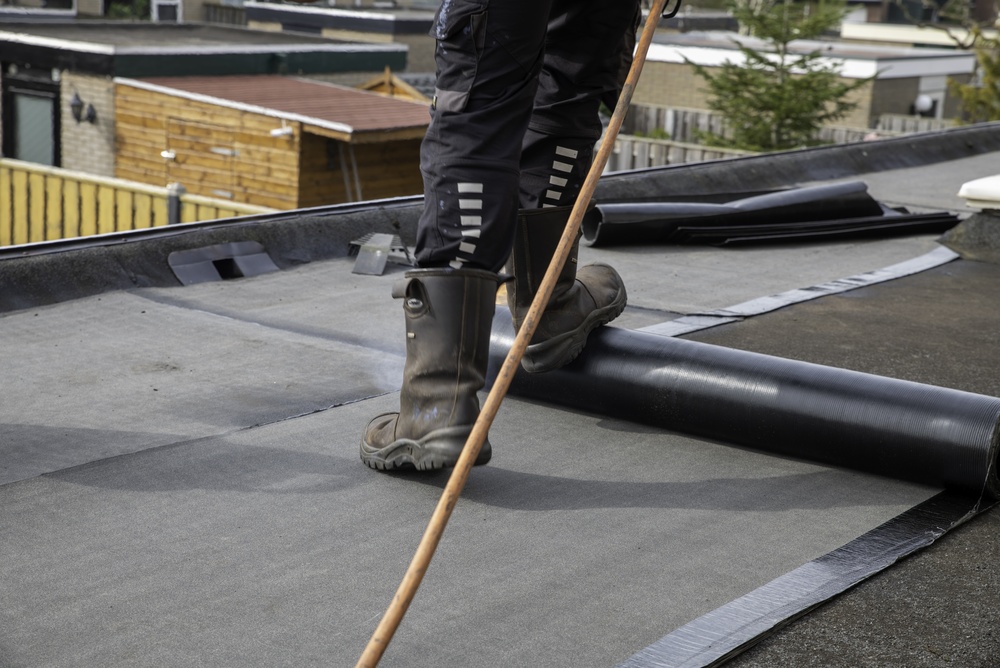
Start With a Safe Roof Assessment
Wet, frosty, or icy surfaces can create slip hazards during a roof inspection. Unprotected roof edges also present a risk of falls, making roof inspection safety precautions important when accessing a commercial roof. Business owners and property managers should leave roof access and repairs to trained professionals.
From inside the building, look for ceiling stains, damp areas, or signs of previous leaks. Note where these problems appear so a roofing professional can investigate them.
1. Check for Ponding Water
Some standing water after rainfall is normal on a low-slope roof. However, water that remains in the same area long after the rain stops may indicate a drainage problem.
For TPO and PVC roofing systems, water that does not drain or dissipate within 48 hours after precipitation ends is generally considered ponding water. This distinction is important when assessing standing water on TPO and PVC roofing membranes.
What to look for:
- Water that repeatedly collects in the same areas
- Visible low spots or depressions in the roof surface
- Dirt rings or discoloration left behind by standing water
- Water collecting around HVAC equipment or other rooftop features
Ponding water adds weight to the roof and can increase the risk of leaks, especially when the membrane is already damaged. Freezing and thawing can put additional stress on these areas.
What may be causing it:
Blocked drains, poor drainage, or low spots in the roof can prevent water from flowing away. Equipment runoff may also contribute to water collecting in the same area. Proper drainage and water management on low-slope roofs are important for reducing recurring ponding problems.
The right solution depends on the cause. Clearing a blocked drain may resolve the problem, while recurring ponding caused by low spots may require drainage improvements. A roofing professional can assess the area and recommend the appropriate repair.
2. Inspect Membrane Seams and Flashings
Many commercial buildings have a variety of roofing material types, including single-ply membranes such as TPO, PVC, and EPDM. These materials vary in installation needs, but one thing all of them have in common is the need for proper seam and flashing installation.
This installation area is susceptible to weather exposure, changes in temperature, and people’s presence.
Look for these warning signs:
- Open or lifted seams: Edges that are separating or pulling away from adjoining sections.
- Cracks or splits: Visible damage in the membrane surface.
- Punctures or scuffs: Damage near roof hatches, ladders, or HVAC equipment.
- Damaged flashing: Loose or deteriorating material around walls, equipment curbs, and roof openings.
- Worn sealant: Cracked or missing sealant around pipes and vents.
Small openings may result in a breach in your roof membrane material, leading to potential intrusion of water into the insulation or interior spaces. To prevent this occurrence, do not attempt to fix problems yourself using available sealants; they may not be compatible with your membrane type.
3. Clear Roof Drains, Scuppers, and Downspouts
Leaves, branches, dirt, and other debris may accumulate at the drainage openings during fall. The accumulation of debris on the roof will make water not flow smoothly off the roof, which may cause it to accumulate in areas where it may seep into the building. Removing leaves and debris from roof drainage areas is an important part of preparing for colder weather.
Check the drainage components used on your building, including:
- Roof drains: Look for leaves, dirt, and debris that could restrict water flow.
- Drain covers and strainers: Make sure they are properly positioned and clear of visible debris.
- Scuppers and overflow drains: Check that secondary drainage openings are not blocked.
- Gutters and downspouts: Look for debris, loose connections, or damaged sections that could affect water flow.
For buildings surrounded by trees, it may be necessary to clean the drains and gutters more often during fall. If the water continues to accumulate even after clearing the debris, then the problem may be caused by either the drain itself or the roof drainage design.
Prepare Your Commercial Flat Roof Before Winter
Ponding water, damaged seams, and blocked drains can leave your commercial roof more vulnerable to leaks during Maryland’s winter weather. Checking these areas before temperatures drop can help you address problems early and protect your building.
Topper Roofing has served the Mid-Atlantic region since 1988, with experience completing more than 250 commercial projects.
If your commercial flat roof needs an inspection or repairs before winter, contact us to discuss your roofing needs.