It often starts with a small brown stain on the ceiling.
This could happen after the roof has endured a heavy rainstorm, or there could be a stain somewhere near a bathroom, hallway, or fireplace. It may not look serious at first. But eventually, the stain becomes larger, the paint bubbles start showing up, and finally, there is a drip during the next storm.
The typical response for most homeowners is that their shingles must be damaged.
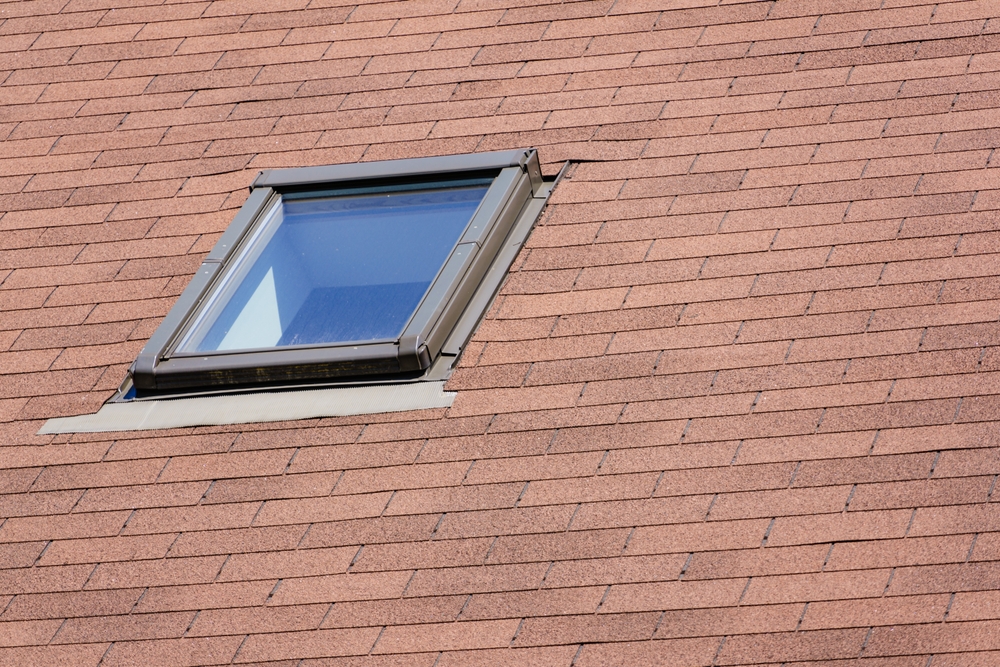
That is true in many instances, but there are also those instances wherein the roof leaks originate from other sources apart from the roofing material itself. These include roof vents, skylights, and chimneys, which are commonly referred to as roof penetrations. While roof penetrations serve essential purposes, their very existence causes some of the most prevalent leaks found on roofs.
At Topper Roofing, we frequently find that leaks homeowners assume are caused by damaged shingles are actually related to aging flashing, deteriorated vent boots, or other issues around roof penetrations. Understanding why these areas become vulnerable can help homeowners identify potential problems early and avoid costly water damage.
What Are Roof Penetrations?
A good roof ensures water drains off easily and effectively. In order to be efficient, there should be as few interruptions to its surface as possible.
Penetrations are any elements of the building that penetrate the roofing structure, such as:
- Vent pipes of plumbing fixtures
- Kitchen and bathroom exhaust ducts
- Ducts and vents for furnace systems and appliances
- Skylights
- Chimney stacks
- Mounting of satellite antennas and other roof-mounted equipment
Each of them requires special materials and techniques to be applied in order to achieve a good seal while allowing the feature to function properly.
Why Roof Penetrations Become Leak Risks Over Time
Roof penetrations are created using various materials that must work together to prevent leaks. Some of these include flashing, sealants, rubber boots, fasteners, and roofing materials themselves.
Over time, these various parts will endure the constant presence of weather-related stressors such as:
- Heat during summer
- Cold temperatures
- Rainfall
- Wind
- Ultraviolet radiation
These can cause:
- Sealants to become brittle
- Rubber components to become brittle
- Flashing to lift or separate
- Fasteners to shift
- Differences in the expansion and contraction of roofing materials
It can take only a very small gap to allow water to penetrate the roof.
Flashing is perhaps one of the most important protective materials for roof penetrations, helping prevent leakage. This is the installation of metal around the vulnerable sections of a roof that allows water to be diverted away from gaps and seams. If these materials deteriorate over time or begin to lift off of other materials, this could allow water to pass underneath the roof system and enter the home.
This gradual process makes it difficult for many homeowners to catch it before a leak becomes noticeable.
Vent Pipe Boots: A Small Component That Causes Big Problems
Another very frequent place where leaks come from is the vent pipe boot.
A vent pipe boot is installed where plumbing pipes pass through the roof. The boot usually contains a rubber sleeve that seals the connection between the pipe and the roof and keeps moisture out.
Despite being good when the boot is brand new, after some years exposed to heat and cold weather, the rubber starts cracking, causing the seal to fail. At that point, water will start coming in via the pipe.
The problem with vent boots is that they are small, making it hard for people to check them on their own before the signs of leaks show up in their homes.
Skylights Can Create Beautiful Natural Light and Potential Leak Risks
A skylight is a structure used to let natural light into a house. However, the installation of a skylight requires that a hole be cut in the roof to accommodate the skylight. This hole needs proper sealing to prevent water infiltration.
Over time, flashing can deteriorate, seals can weaken, and surrounding roofing materials can age. As a result, water starts to seep through if one of the parts of the waterproofing system ceases to function.
In some cases, the signs of a leak may not appear directly beneath the skylight and may be hard to detect without expert help.
Chimneys Present Multiple Opportunities for Water Intrusion
The chimney is one of the biggest penetrations on the roof surface.
Since there are different types of materials used here, specialized flashing systems are required to ensure proper drainage. As such, because of this combination of materials, these are points that become susceptible to water entry as they age.
These problems include:
- Flashing becoming loose from the chimney
- Mortar joint degradation
- Degradation of sealants
- Moisture seeping behind flashing
Any degradation around the chimney can lead to moisture infiltrating the roofing system.
Warning Signs of a Developing Leak
Roof penetration leaks do not always display clear symptoms at the beginning. In many cases, homeowners first notice subtle warning signs, including:
- Ceiling or wall stains
- Bubbling or peeling paint
- Wet insulation in the attic
- A musty smell
- Fungus or mildew development
- Water dripping during or after rains
- Staining around skylights or chimneys
Keep in mind that water tends to travel before appearing, which means that stains found in the interior are not necessarily going to be right above the actual problem.
Why Professional Installation and Maintenance Matter
Many roof penetration problems can be traced back to improper installation, aging materials, or deferred maintenance.
No matter how high quality the roofing materials, if flashing, proper sealing, and other details around roof penetrations such as vents, skylights, and chimneys have not been properly done, then the water will eventually get through the roof.
Maintenance is just as essential as well. Years of weathering and exposure to heat, cold, rain, wind, snow, and ultraviolet rays from the sun slowly degrade flashing, vent boots, and sealants. Regular roof inspections can help identify these issues before they lead to interior water damage.
Addressing small problems are much easier and cheaper to fix than replacing compromised decking, insulation, drywall, or framing materials.
Concerned About A Potential Roof Leak?
Vent pipes, skylights, and chimneys serve important purposes, but every opening in a roof creates an area that requires extra protection. Over time, flashing, sealants, and other components can wear down, increasing the risk of water intrusion.
At Topper Roofing, we help homeowners identify and resolve these vulnerabilities before they become bigger problems, protecting both the roof and the home beneath it.
Contact us today to schedule a roof inspection and gain confidence that your roof is ready to handle whatever the seasons bring.