
August can be rough on a roof. After weeks of hot afternoons and strong sun, the shingles have been heating up every day and cooling down again at night. By this point in the summer, that repeated exposure can start to show, especially on an older roof.
You might notice more granules in the gutters than usual. A few shingles may look curled or worn, or there may be small raised spots that weren’t there before. These changes can be easy to overlook, particularly when there isn’t a leak inside the house.
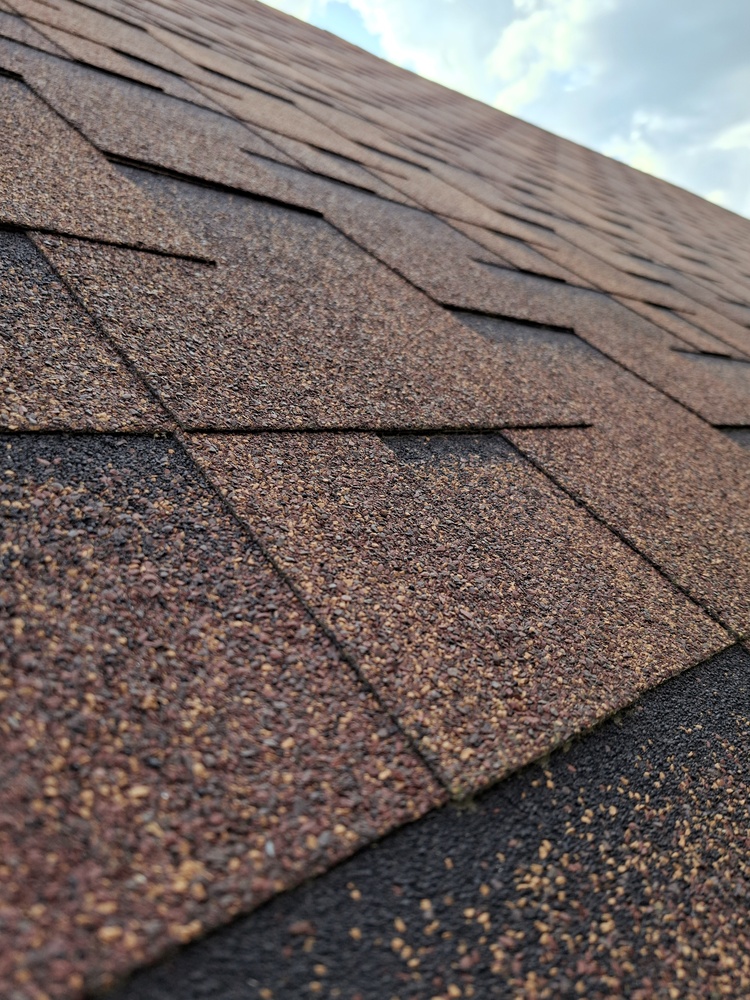
Heat and sunlight don’t usually damage a roof all at once. The wear builds over time. By late summer, the roof has had months of exposure to the conditions that can contribute to granule loss, blistering, and premature aging. Knowing what to look for can help you decide when a closer inspection is worthwhile.
How Much Heat Do Roofs Really Absorb?
During hot summer days, a roof made from black asphalt can become significantly hotter compared to the ambient air temperature. There are many variables that affect the amount of heat absorbed by roofs, which include the color of shingles, roof pitch, and exposure to sunlight. Roof surface temperatures in summer can easily be much hotter than what is shown on your weather app.
Black asphalt shingles are built to withstand regular environmental conditions, but regular exposure to heat and sunlight will cause natural wear on them.
How Sustained Heat Actually Affects Shingles
UV exposure wears down the surface. UV rays degrade the asphalt and other materials that make shingles flexible. This means that after several summers, shingles might fade, become brittle, and lose more granules. Being more brittle, shingles are more prone to cracking and curling while being heated during the day.
Heat can contribute to blistering. Blistering means a raised or bubbled area due to trapped moisture or air in the roof that expands once the roof gets heated. Installation issues, humidity, and ventilation can cause them.
Blisters don’t necessarily mean roof damage. The bigger concern is a blister that pops, exposing the layer underneath. Once that happens, the area will no longer be protected by granules and will become vulnerable to rainfall and sun exposure.
Attic ventilation can be another source of the problem in terms of excessive heat and moisture. The air may become trapped in the attic space if there is inadequate ventilation.
Why This Leads to Premature Aging
The roof can withstand the heat during the summer months, but the exposure does make a difference, especially when the roof is older. As the granules of the shingles are eroding and the flexibility is being lost, exposure to heat and UV rays can accelerate the aging of the roof system.
That is why the roof may look okay at the beginning of summer but shows signs of aging by the month of August. Heat has not caused any wear on its own. It has just accelerated the aging process that was already taking place.
That is how premature aging in roofing systems takes place, and that is why it is important to pay attention to shingles before leaks occur.
Signs to Look Out for on Your Roof
This inspection can be done while on the ground, without having to climb up to your roof.
Some of the things to look for include:
Granules in your gutters. A few granules after rain are not unusual. A noticeable increase, particularly around downspouts, is worth checking.
Curling or cupping edges. Shingles lifting at the edges or corners can indicate deterioration.
Raised or blistered spots. Small bubbles or raised areas should be examined, especially if the surface has broken open and lost its protective granules.
Dull, faded, or uneven patches. Sections that receive more direct sunlight may show more wear than shaded areas.
If you notice any of these changes, it’s better to have the roof checked than try to judge its condition from the ground.
When It’s Time to Have Someone Take a Look
A single or two granules down in the gutters is not an issue to be concerned about. However, curling, blisters, exposed areas, and loose granules that seem to occur more significantly than in previous years would mean that it is time to have an expert come and assess the situation before a leak happens.
Late summer is a good time to do that. After months of heat and sun, signs of wear may be easier to spot, and there’s still time to address problems before the wetter, colder months arrive.
At Topper Roofing, we can take a closer look at your roof and give you a straightforward idea of what we’re seeing, whether that’s a repair, continued monitoring, or a larger roofing issue that needs attention. If you’ve noticed changes after this summer’s heat, contact us to schedule an inspection.