Replacing a roof is not just about laying down new shingles. Every roof replacement is subject to code requirements that ensure the structural integrity of the home, as well as the safety of the people inside. These codes guide how roofing systems are installed, how water is managed, and how ventilation supports the overall performance of the roof.
At Topper Roofing, we believe homeowners should understand what goes into a proper roof replacement. It’s not just roof materials but also the code requirements that protect your home.
If you’re planning to replace your roof in Maryland, it is important to understand the code requirements involved. This will not only help you identify quality workmanship and feel confident your roof can withstand local conditions.
Here are some of the most important code requirements that homeowners in Maryland should know.
Why Roofing Codes Matter for Homeowners
Roofing codes are part of the county or city building codes here in Maryland. These codes ensure roofs can withstand local weather conditions, including heavy rain, snow, wind, and temperature changes during the seasons.
These codes set minimum construction standards for materials, installation methods, and moisture protection.
For homeowners, the importance of roofing codes goes beyond legal compliance – they directly impact the lifespan of your roof.
A roof that meets current building codes is more likely to:
- Prevent water from seeping into the house
- Withstand seasonal freeze-thaw cycles
- Keep the roof deck and attic in good condition
- Last as long as the materials are expected to last
When roofing shortcuts are taken, problems often show up years later in the form of leaks, mold, or premature roof failure.
Ventilation Requirements: Why Airflow Matters
One of the most overlooked aspects of roof code requirements is attic ventilation.
Roof ventilation refers to the movement of air through the attic space. It is intended to help control temperature and remove excess moisture from the roof.
Building codes require roof ventilation to prevent problems such as:
- Excess moisture accumulation
- Mold and mildew growth
- Wood rot in the roof structure
- Excessive shingle degradation
Roof ventilation is especially important for winter roof performance in Maryland. When warm air is trapped in the attic space, it can melt snow on the roof. The melted snow then refreezes at the roof edges and turns into ice dams.
Good roof ventilation helps prevent these issues and supports overall roof performance.
Ice and Water Barriers: Protecting Vulnerable Areas of Your Roof
Maryland’s climate experiences freeze-thaw cycles every winter. For this reason, roofing codes require ice and water protection along the roof’s edge.
An ice and water barrier is a waterproofing material installed beneath the shingles in areas most vulnerable to leaks.
Code requirements state the ice and water barrier must extend a minimum of 24 inches inside the exterior wall line from the roof’s edge.
This material is critical to the roof’s protection against the following:
- Ice dams
- Wind-driven rain
- Water that backs up underneath the shingles
- Moisture intrusion along the roof’s edge
Unlike the typical roof underlayment, the ice and water shield creates a closed membrane that will prevent water from penetrating the roof deck in the first place.
In Maryland homes, ice and water shield is often installed along:
- Eaves
- Roof valleys
- Around chimneys and skylights
- Roof penetrations like vents and pipes
These areas naturally collect or redirect water, which is why building codes require additional protection.
Flashing Requirements: Keeping Water Moving Away from Your Home
Another important roofing code requirement involves flashing.
Flashing refers to metal components used to direct water away from the vulnerable areas where the roof meets other surfaces.
The vulnerable sections include:
- The roof-to-wall connection
- Chimneys
- Skylights
- Dormers
- Valleys
The code requirements for flashing include specific size and location requirements that direct water toward the roof or gutter system rather than behind the siding or roof deck.
Proper flashing is one of the most important defenses against roof leaks.
When flashing is improperly installed or absent, water seeps into the home.
Underlayment and Drip Edge: The Hidden Layers That Protect Your Roof
Shingles are intended to keep water out, but they are not the only defense against moisture.
Modern building codes require several protective layers beneath the shingles to prevent moisture damage.
The layers include:
Underlayment
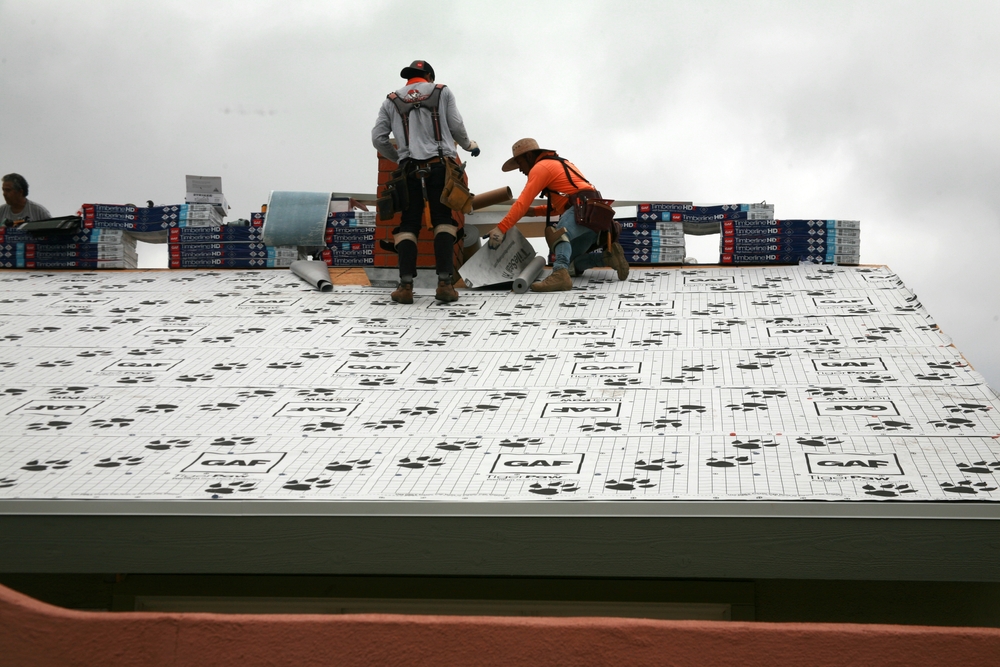
The roof underlayment is an additional moisture-resistant layer between the shingles and the roof deck. It adds protection if wind-driven rain or damaged shingles allow water to leak through.
Drip Edge
Drip edge is a metal flashing used along the roof edges to keep water away from the fascia and into the gutters.
Without the drip edge, water can run under the shingles and into the roof decking along the edges of the home.
These are not visible roof layers, but they are an integral part of roof protection from water damage.
Permits and Inspections: The Significance of Verifying Code Compliance
In Maryland, roof replacements require permits and inspections to ensure the work done meets the requirements of the current building code.
Inspections typically include:
- Installation of the ice barrier
- Installation of flashing
- Condition of the roof decking
- Ventilation system
While inspections involve documentation, they ultimately protect the homeowner.
What This Means for Homeowners Replacing a Roof
Understanding roofing code requirements helps homeowners feel confident that the work being performed on their home is being done correctly. This is especially true when a roofing system is installed according to current code requirements, as it provides a stronger protection against leaks, weather damage, and structural issues.
If you’re planning to replace your roof, you’ll want to ensure that your roof replacement is in line with the current code requirements in Maryland. At Topper, our goal is to help homeowners understand what goes into a roof that lasts. However, code requirements are just the beginning.
When a roofing system is installed correctly, it will protect your home for decades, not just seasons.
Contact us today to schedule your roof inspection.