Trees can be very beneficial to the property. For example, mature trees not only add beauty to the property but also act as a source of shading during hot seasons. Also, trees can enhance curb appeal and may lead to savings on energy costs due to decreased exposure to heat from the sun.
However, while trees offer many benefits, they can also have a direct impact on the condition and lifespan of a roof. This could be due to tree debris, shade, overhang of branches, and moisture retention leading to problems in the roof’s condition over time.
As a reliable roofing company in Maryland, we aim for homeowners to understand how tree coverage affects the roof so you can take preventive measures before minor concerns turn into costly repairs.
The Hidden Risks of Overhanging Branches
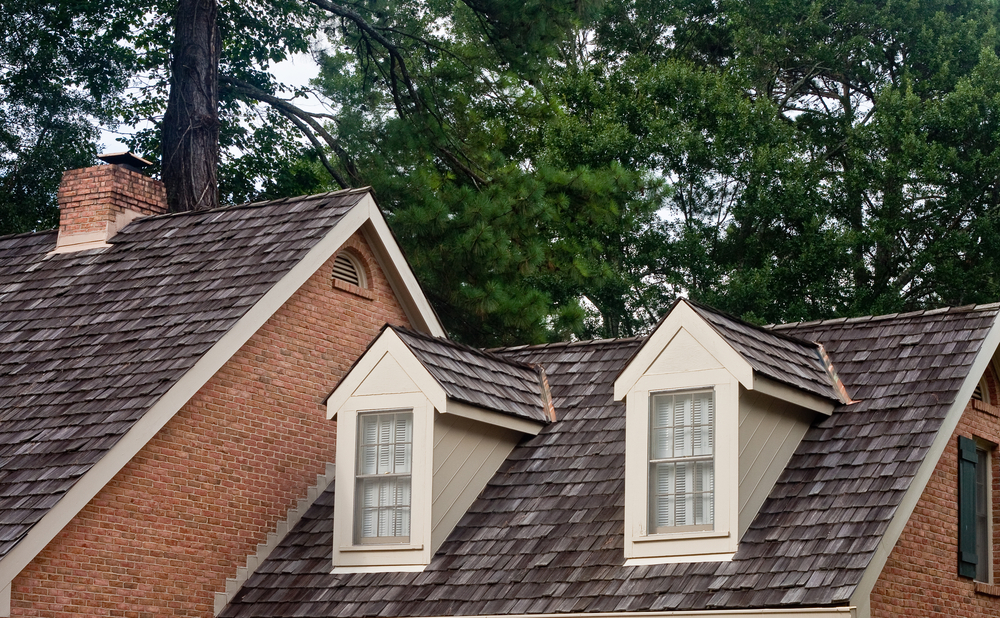
Overhanging branches pose some of the biggest threats when it comes to roofing hazards created by trees. Even in cases where branches are not touching roofs, they can cause trouble.
During windy conditions, branches may sway and scrape against roofing materials. Over time, branches can wear down the protective granules of asphalt shingles, damage flashing, and even create weak spots that will let water into your roofing system.
In addition, the presence of such branches above your roof can make you more susceptible to impact damage from storms. Aging, sick, and damaged branches may fall off, causing serious structural harm to your home.
In some cases, branches serve as an easy pathway for pests like squirrels and raccoons. As soon as the pest climbs up the branch onto your roof, it may begin damaging roofing elements while looking for shelter or trying to get into your attic.
How Shade Can Create Moisture Problems
Shade alone is not always a negative thing. Sometimes less sun will actually lead to less heat in some instances. It is when shade blocks areas of the roof that cannot dry after rain, snow, or even morning dew.
Roofs are made to allow water to evaporate off of them quickly. Shaded areas of roofs tend to retain moisture more than those areas that get sunshine, thus creating optimal environments for biological growth.
When water is constantly present on a roof, it can lead to premature damage.
Moss Growth: More Than a Cosmetic Issue
Homeowners often believe that moss poses only an aesthetic problem. However, when left unchecked, moss may actually be quite damaging.
Moss grows best in moist, shady areas, and a tree-filled roof creates such conditions. Moss will not simply sit on the roof; rather, it will act as a sponge, keeping the roof surface damp at all times. Rather than letting water drip from the shingles, it retains it.
With the increase in the amount of moss covering the roof, it begins to get into the seams between shingles and causes gaps. This leads to possible leakage underneath the roof, which means damage not just to the exterior but to the interior as well.
The Impact of Leaves and Organic Debris
Though they may appear harmless, leaves and other types of organic waste pose various risks to your roof when not cleared away promptly enough.
The accumulation of debris occurs most frequently in roof valleys, chimney areas, around skylights, and within gutters. Such spots are intended to direct the flow of water and guide it from the house. If debris is blocking the flow of water, it becomes trapped, thus creating standing pools of water on the roof.
The wet layer of leaves will be trapping water in contact with the roofing, providing the ideal conditions for moss and fungi growth. The decomposition of debris will increase the moisture and age of roofing material.
Gutters full of organic material are another problem. If water cannot flow freely from your roof through the gutter system, it will cause water to back up and possibly damage other roof elements such as fascia boards and soffits.
Increased Wear on Roofing Materials
There are occasions where tree coverage leads to a series of factors contributing to increased wear on the roof. Factors such as no sun, moisture, organic debris, and organism activity are some of those factors that contribute to rapid roof wear.
This means that for an asphalt shingle, there are times when its wear is sped up by exposure to moisture. The same applies to the flashing and other parts.
The Benefits of Proper Tree Management
Of course, homeowners don’t need to cut down all trees near their houses since trees offer several ecological advantages, beautify properties, and increase comfort in the outdoor environment.
Tree trimming will help minimize the chances of damage caused by falling branches, along with improving ventilation and sunlight exposure of the roof.
Removing sick and damaged branches will further decrease the probability of adverse effects from storms.
Also, keeping branches away from the roof will facilitate evaporation of excess moisture and prevent buildup of leaves and other debris.
Proactive Steps Homeowners Can Take
Protecting your roof from tree-related damage often comes down to consistency in inspections and maintenance.
Here are some steps that homeowners should consider to protect their roofs from premature aging due to trees:
- Trimming any branches that are growing close to or touching the roof.
- Removal of any dead branches before stormy weather hits.
- Clearing off any debris or leaves from the roof.
- Ensuring gutters and downspouts are working efficiently.
- Checking for the development of moss or algae growths due to excessive shading.
- Professional roof inspection to spot potential problems.
These preventive measures can help reduce moisture-related problems and minimize unnecessary wear on roofing materials.
Why Tree-Covered Roofs Deserve Extra Attention
Roofs that are covered in mature trees tend to need more maintenance than those that are not. Here at Topper Roofing, we know firsthand what can happen when tree problems evolve to become roofing problems.
The best way to protect your roof, particularly if it is covered in trees, is by ensuring it gets proper maintenance. Contact us if you would like an inspection of your roof and advice on its care. Tree-covered roofs and trees can coexist, but one often depends on the care of the other.