If you’ve lived through a few Maryland summers and winters, you already know how quickly our weather swings from humid and sticky to icy and bitter. What many homeowners don’t realize is how much those temperature extremes stress the space right above their heads, the attic. And what happens in the attic plays a huge role in how long your roof lasts.
At Topper Roofing, we see the same pattern again and again: when insulation and ventilation work in harmony, roofs are healthier, shingles age more slowly, and homes become more efficient year-round. When they don’t? Heat, moisture, and pressure build up in ways that quietly shorten a roof’s lifespan.
Here’s how proper attic insulation and ventilation work as a team, and why they matter so much for Maryland homes.
Why the Attic Is More Important Than Most People Think
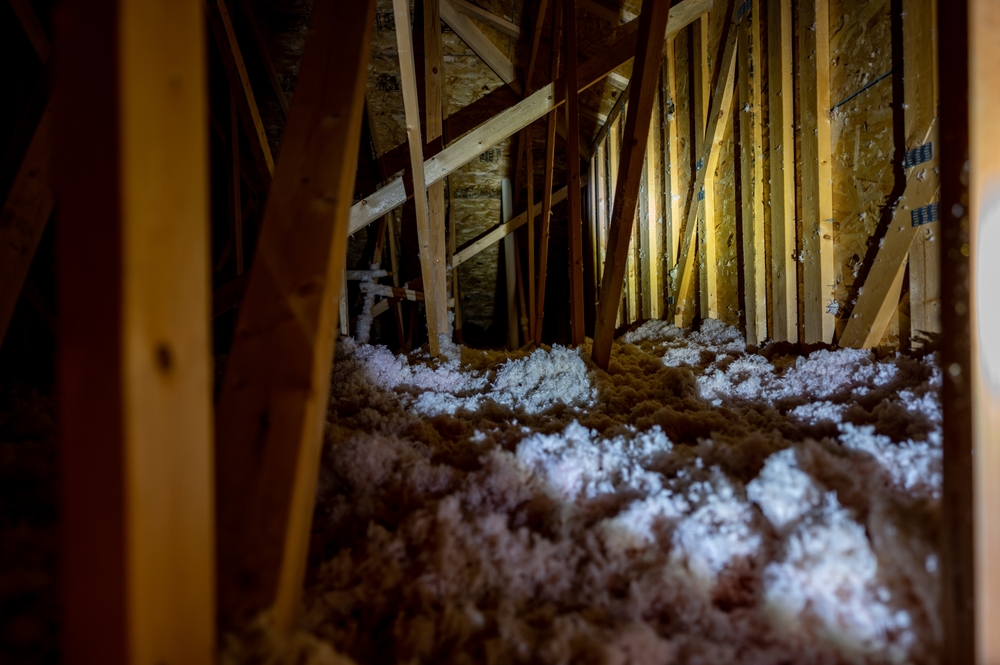
Your attic is much more than storage space. It serves as a buffer zone between outside conditions and the living areas below. When balanced, your roof can “breathe,” temperatures remain steady, and there’s a place for moisture to go.
According to Owens Corning, insulation of the attic can block the transferral of heat and help maintain comfortable indoor spaces. When the insulation is inadequate or unevenly distributed, the heat builds up where it shouldn’t. In summer, this can drive temperatures in the attic uncomfortably high. During winter, heat escapes upward and melts snow on the roof too fast. The end result: ice dams.
Ventilation fills the other half of the equation. GAF describes attic ventilation as a controlled airflow system that pulls fresh outdoor air in and releases warm, humid air out. Without it, the attic is a pressure cooker-hot in the summer, damp in the winter, and hard on the roof deck all year long.
How Insulation and Ventilation Work Together to Protect Your Roof
Think of insulation as the “shield” and ventilation as the “release valve.” You need both to keep your roof free from stress.
1. They Reduce Heat Buildup – Particularly in Maryland Summers
The attic does not overheat when insulation prevents excessive indoor heat from escaping upward. Paired with ventilation that circulates cooler outside air, the shingle temperatures remain much lower, and the roof deck is less likely to warp or dry out.
Without this pairing, shingles bake from below as much as from the sun above.
2. They prevent moisture issues and mold growth.
Maryland deals with humidity year-round. Angi adds that when an attic lacks proper ventilation, it means that in summer, it can trap heat, which in turn puts stress on shingles, decreasing their adhesive properties, making them curl. During winter, this heat, which has turned into moisture, softens the roof decking. This can cause a roof to deteriorate prematurely. Over time, that creates the perfect environment for mold and wood rot.
Good insulation prevents warm, moist air from leaking upward, and then ventilation sweeps the remaining humidity outside before it can cause damage.
3. They Stop Ice Dams Before They Start
Ice dams are most likely to form after snowstorms because hot air escapes into the attic, melting uneven amounts of snow. This water then flows down to the roof’s edge, where it refreezes as part of an ice dam, which can subsequently force water back under the shingles.
Balanced insulation and ventilation maintain a consistent roof temperature to prevent melting of snow.
4. They Improve Energy Efficiency Throughout the Year
If you think your energy bills are a little too high, your attic might be part of the problem. According to Angi, proper attic insulation will help reduce energy loss, which means your home stays cooler in summer and warmer in winter without overworking the HVAC system.
A healthy attic means a healthy roof and less-expensive monthly bills.
Signs Your Attic Needs Attention
You don’t have to climb into the attic to spot possible insulation or ventilation problems. Here are common clues Maryland homeowners notice first:
- Rooms that are too hot during summer or too cold during winter
- Musty odors emanating from the attic or upper floors
- Higher than normal energy bills
- Ice accumulation on roof edges in winter
- Frequent shingle curling or early granule loss
- Visible mold or dark stains on rafters (if you do check the attic)
If you see any of these, the attic isn’t functioning the way it needs to.
Why Maryland Homes Are Particularly Vulnerable
Maryland’s climate is humid, coastal-influenced, and subject to unpredictable winters, all of which can put additional stress on a roof. Homes in Frederick, Hagerstown, and the surrounding areas often face:
- Heavy summer heat gets trapped in older or under-ventilated attics
- Moisture carried in from seasonal storms
- Freeze-thaw cycles are more stressful for shingle systems
- Older homes have inadequate or outdated insulation
One of the most effective ways to keep these regional challenges from translating into roof repairs is a well-balanced attic.
How Topper Roofing Helps You Get the Balance Right
Every home is different. Roof pitch, attic layout, home age, insulation type, these all affect the right mix of insulation and ventilation.
Our roof inspections at Topper Roofing take all of this into consideration. We look for:
- Poor ventilation or blocked ventilation openings
- Damaged or poorly placed baffles
- Areas where insulation is thin or uneven
- Signs of heat stress or moisture on the roof deck
- Ice dam risk factors
- Shingle aging patterns indicative of attic imbalance
A thorough evaluation helps us determine whether your roof problems stem from the shingles Thorough assessment helps us to tell if the issues have to do with the shingles or with what is beneath.
When to Call a Professional
If you suspect that your attic calls for attention or if you have an aging roof and you want to extend its life, the sooner you take action, the better.
A professional will be able to:
- Measure airflow and insulation levels
- Identify moisture sources
- Recommend the right type and amount of insulation
- Suggest vent upgrades or balancing of vents
- Make sure your roof system works as a whole
Final Thoughts
Attic insulation and ventilation may not be visible from the street, but they’re two of the biggest factors that determine how long your roof will last. When they work together, they reduce stress on your shingles, limit moisture damage, help control energy costs, and give your roof a much better chance at a long, healthy life. Maryland weather is not always easy on our homes, but with a balanced attic, your roof has the support it needs to stand up to it. If you are ready to have your attic and roof analyzed by our local team, Topper Roofing who understands Maryland homes, you can reach us anytime through our contact page.